Trick or Trend: A History of Halloween Costumes
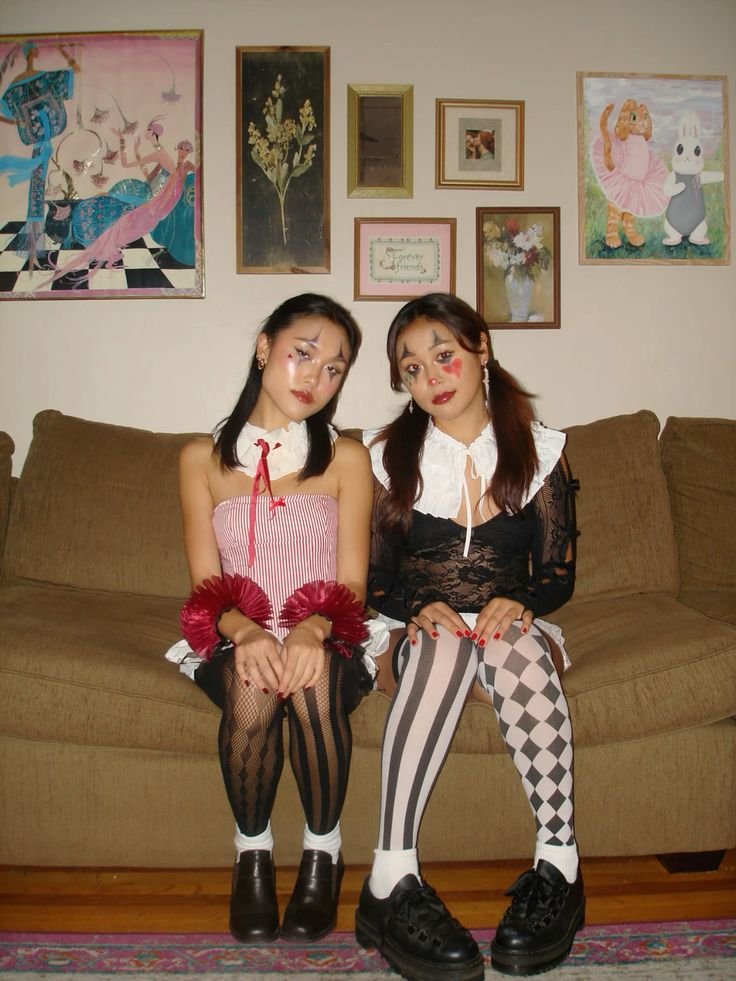
What are you wearing for Halloween? Maybe you’re channeling someone from the silver-screen or dressing up with your beau as the internet’s latest “it” couple. Once a night of ghosts and goblins, Halloween has become fashion’s most theatrical playground and a mirror reflecting who we are and what we’re obsessed with. From homemade disguises to designer ensembles, the evolution of the Halloween costume traces a century-long story of style, identity, and pop cultural reinvention.
But how did we get here?
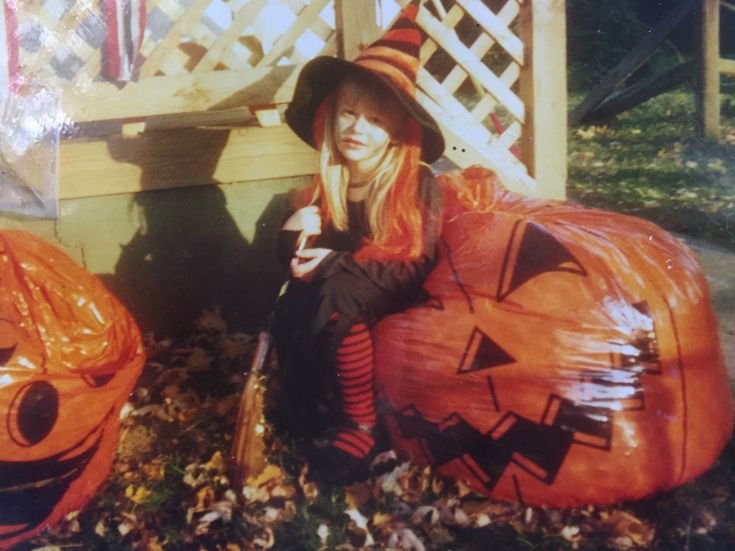
Halloween’s story starts in early medieval Europe, when the Celtic festival of Samhain marked the end of the harvest and the start of winter. It was a night believed to blur the boundaries between the living and the dead. To protect themselves from restless spirits, Celts would wear disguises made from animal skins, thus debuting the earliest of Halloween costumes. These outfits served as both a tribute and a warning; they kept evil at bay while honouring the souls of those who wandered in between worlds. When Christianity spread across Europe, the Church rebranded Samhaim as All Hallow’s Eve, the night before All Saint’s Day. The old and new faiths merged and a new tradition was born. Across Scotland and Ireland, young men called guisers roamed from door to door dressed in straw and furs, singing and begging for food in exchange for performances - a practice that would eventually evolve into modern trick or treating.
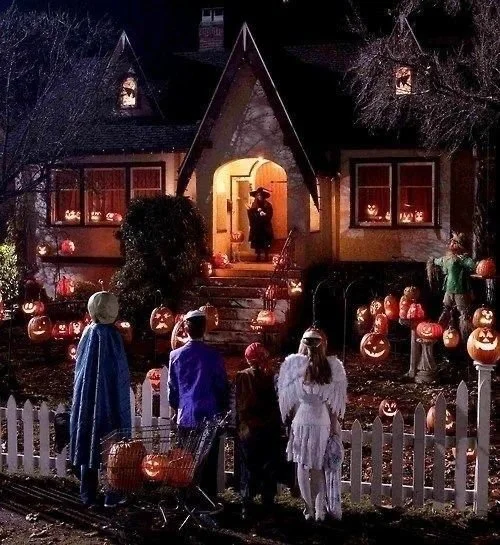
By the Victorian era, Halloween had crossed the Atlantic, carried by Irish immigrants fleeing the potato famine. In America, the holiday took on more of a romantic flair. Parties were held not to scare but to mingle and flirt. Evenings were filled with fortune-telling, parlor games, and divination spells to predict one’s future spouse. Costumes were simple: flowing gowns, paper masks, and ghostly silhouettes that echoed the fashion of the 1800s.
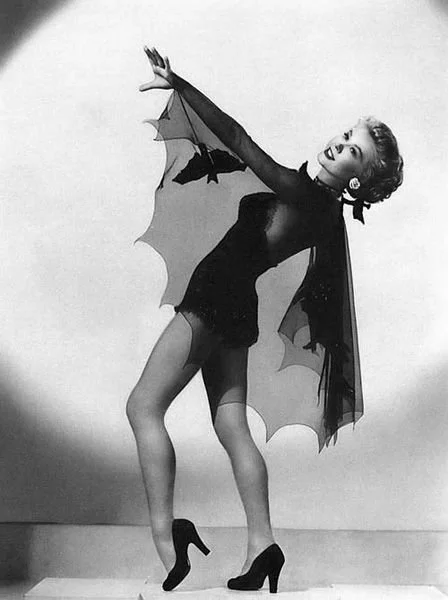
The 20th century brought change. In the 1930s, costume makers like Ben Cooper, Inc. recognized an opportunity in the rise of Hollywood. Children wanted to embody their favorite film characters: Snow White, Mickey Mouse and Superman and mass-produced Halloween costumes made that possible. What had once been homemade and handcrafted became shiny, commercial, and aspirational. By the 1940s, pin-up glamour and wartime reshaped the holiday’s aesthetic. The “girl worth fighting for” ideal inspired the first wave of sexy Halloween costumes, later amplified by the rise of consumerism in the postwar 1950s. Television gave us cowboys, astronauts, and politicians - all of whom came rendered in vacuum-formed masks and crepe paper capes.
But perhaps no community reshaped Halloween’s meaning more than the LGBTQ+ community of the 1970s. Under a time of laws that criminalized gender nonconformity, Halloween’s tradition of cross-dressing became an act of defiance and joy. Parades like Greenwich Village’s Halloween procession transformed into dazzling expressions of identity. Costumes became not just disguises but declarations. By the time the slasher film era arrived in the late 70s, Halloween had come full circle and returned to its roots in horror and spectacle. From grotesque rubber masks to pop-culture references, the night became a mirror of the moment, reflecting everything from social anxieties to national obsessions.
Today, Halloween is an ever-shifting ritual. Behind every costume is a centuries old impulse: to become something else for just one night, to toy with fear, fantasy, and the unknown. What began as a Celtic ceremony to ward off spirits has become a celebration of reinvention. So, as the night approaches, the question remains; what are you wearing for Halloween?