Breaking Down the Biggest Style Controversies This Year
What does it take for a fashion campaign to capture the internet’s attention in this digital era? A teasing slogan? An AI-generated model? Or maybe just the perfect amount of scandal? In a year when style, technology, and societal discourse began to intertwine, the fashion industry’s largest
controversies did more than simply spark backlash, they revealed how beauty standards and technological evolution are redefining what it means to be considered “fashionable.”
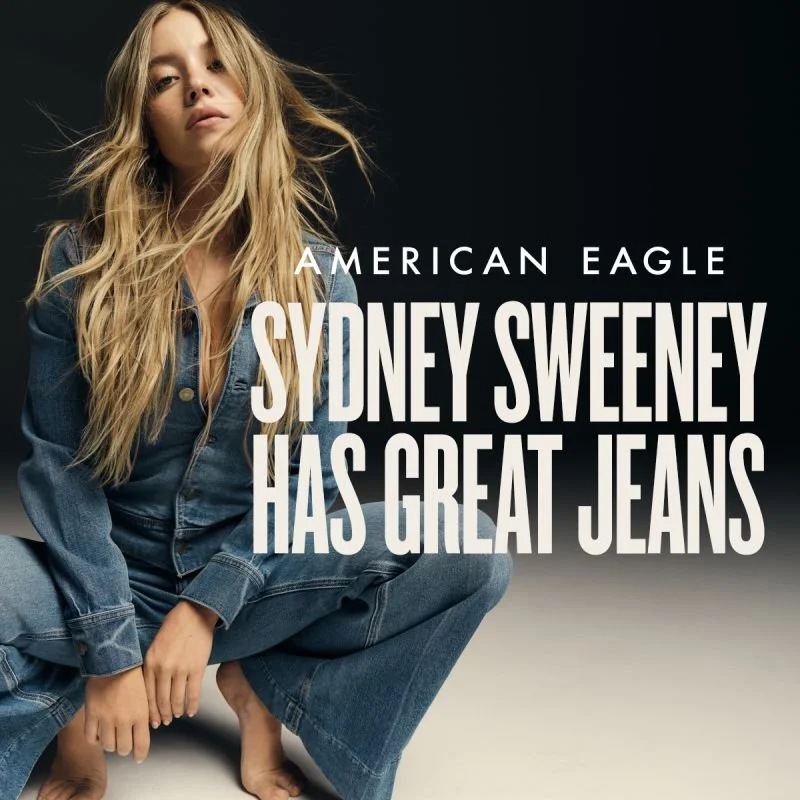
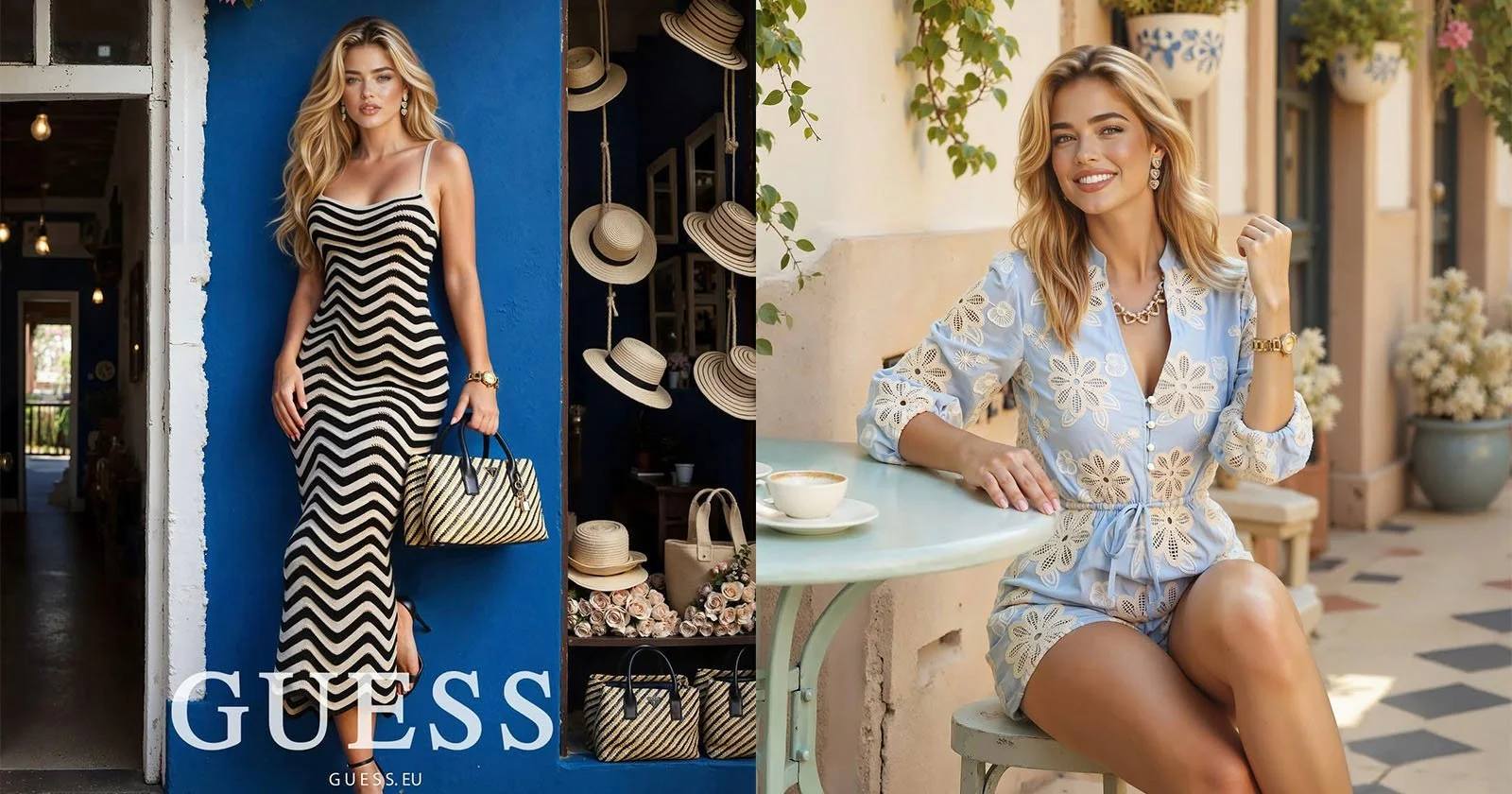
Two significant fashion campaigns have stolen the spotlight in recent months: American Eagle’s Sydney Sweeney denim campaign and Guess’s AI-driven Vogue feature. Each aimed to capture attention, and did nothing less, though for the wrong reasons.
American Eagle’s ad showcased Sydney Sweeney in a denim dreamscape, abusing her wholesome “girl-next-door” persona. However, its punny tagline “Great Jeans / Great Genes,” was intended to be playful and witty but instead sparked heated debates rather than projecting charm. Media critics claimed that through the campaign, the brand reinforced outdated fashion and beauty ideals: blonde hair, blue eyes, and classic 1950s inspired silhouettes. What seemed harmless and fun to some felt excessively off-putting to others. In an era where visibility and representation are more important than ever, the ad’s lighthearted gesture appeared dated and ultimately failed to connect authentically with its audience.
Then, in August 2025, came Vogue’s Guess campaign, featuring digitally generated models. When the brand presented two oddly perfect AI-generated models in Vogue U.S., the internet exploded with reactions. The published images were seamless and beautiful, yet this perfection was the exact issue. The models weren’t real, and the public was quick to emphasize the lack of humanity and creativity in the campaign, along with discrediting the careers of authentic models. What was meant to be an innovative pitch ultimately felt like a superficial version of beauty.
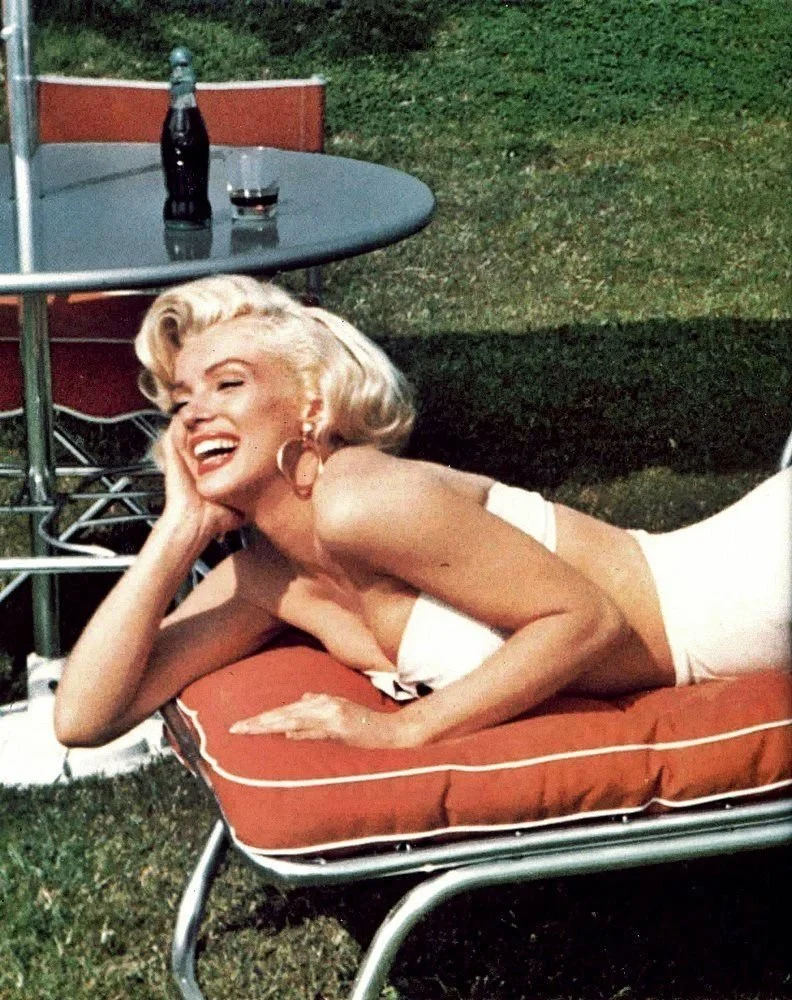
Combined, these controversies exposed the fashion industry's evolving identity crisis. The industry continues to navigate the tension between nostalgic glamour and contemporary trends; holding onto the allure of timeless style even as digital innovation pushes creativity to new extremes.
The consequences? Campaigns that shine on the surface, yet reveal underlying tensions, embodying society’s struggle between prioritizing authenticity and clinging onto flawed beauty ideals.
The rise of social media has raised the stakes: every campaign now instantly becomes a topic of discussion, analyzed across TikTok, Instagram, and other media platforms. What used to fade into the background now drives intense conversation; covering topics from beauty standards and body image, to the ways technology shapes self-expression.
Clearly, fashion is a true reflection of our society. Today, it captures our struggle to differentiate the real from the fabricated, from casual filters and AI models and unattainable beauty ideals. The biggest controversies of the year weren't simply about failed ads, they brought up a bigger picture; altering the trajectory of the future of creativity.
With humans and the digital world continuing to become inseparable, one question stands out: In a society obsessed on image, how do we truly know what’s authentic?