
Not Just a Scientist: Jane Goodall in Sustainable Fashion
Dr. Jane Goodall, renowned for her groundbreaking work with chimpanzees and her lifelong commitment to environmental advocacy, also leaves behind a legacy of sustainable fashion. Her iconic khakis and button-down shirts are forever tied to her image, reflecting both practicality and purpose. Alongside her message to protect the planet, she reminds us that style is more than following trends. It is about awareness. Fashion, like observation, is about how we take in the world around us and how we choose to be seen within it. Few understood this balance better than Dr. Goodall.
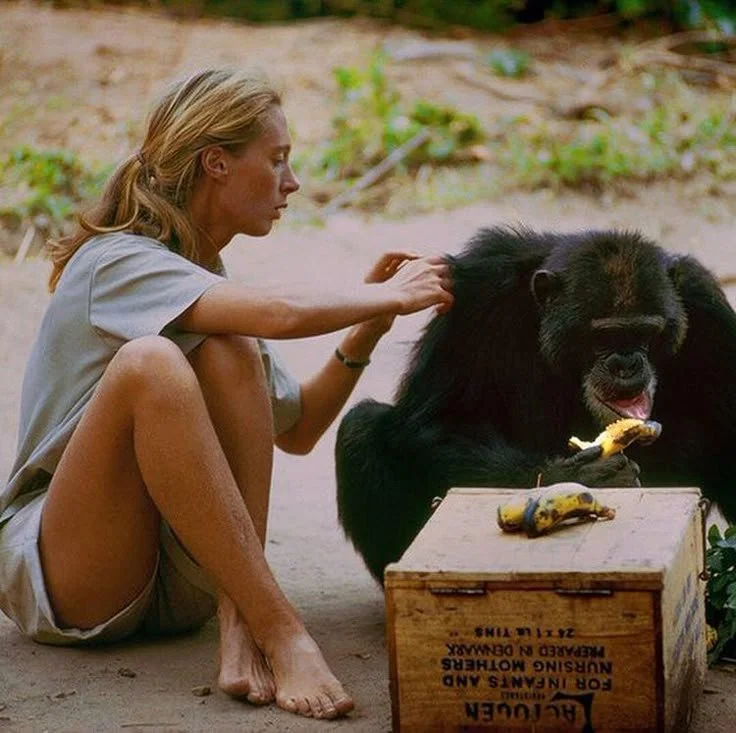
Her revolutionary work observing chimpanzees showed the world that animals, like us, have feelings, thoughts, and personalities. Her drive to share that passion with others made her a standout figure in both science and fashion. As her research gained recognition, so did her effortless style, landing her on the covers of National Geographic and even inspiring her own Barbie doll, complete with her signature khakis and ponytail. Her timeless look reflected more than just comfort; it showed her dedication to her work and her deep connection to nature. By choosing pieces that were practical, neutral, and grounded, she quietly challenged traditional ideas of femininity in fashion and redefined what it means to look powerful with purpose.
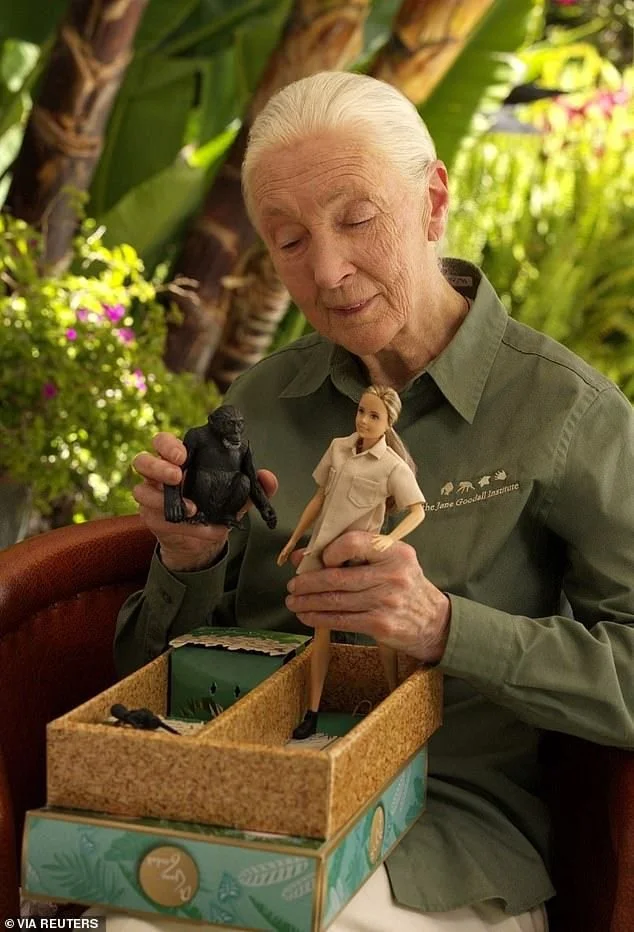
Seeing how adaptable she was to the jungle, it's no surprise she adapted into today's media driven world to advocate. Appearing on podcasts like Call Her Daddy with Alex Cooper is something not many scientists would even consider, making her fashionable by setting the trends. Leaving science strictly to the researchers? No, anyone, anywhere can educate themselves on the environmental work being done to help our planet.
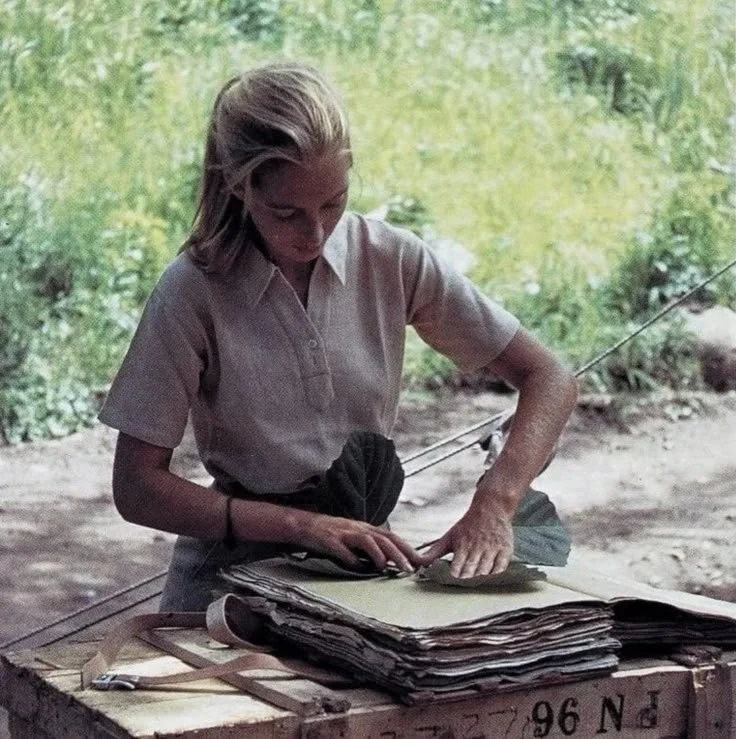
In an interview with Vogue writer Bella Webb, Dr. Goodall describes an ideology that the sustainable fashion industry should take away from her work:
“Science gradually had to accept that humans were not separate from the rest of the animal kingdom, but part of it. Now, when we think about conservation, it’s not the species I care about so much as the individuals. That little possum somewhere has a personality and feelings like happiness, sadness, and anger”.
It's essential to keep in mind the individuals behind the facade of the “whole environment”. Remembering that all animals have personalities and hearts that we need to protect is important to consider when implementing sustainable movements and policies. Before her death, Dr. Goodall partnered with a sustainable jewelry brand, Brilliant Earth, to launch a collection of lab-grown diamond jewelry using recycled gold and lab diamonds created using CO2 captured from the atmosphere. When asked about the collaboration, she described the biodiversity destruction she saw in an area of illegal gold mining in the Amazon:
“These beautiful, clear rivers that supported all sorts of animals, birds, and Indigenous communities– I don’t know how to describe the yellow of the mercury they use to sift the gold out from the sediment”.
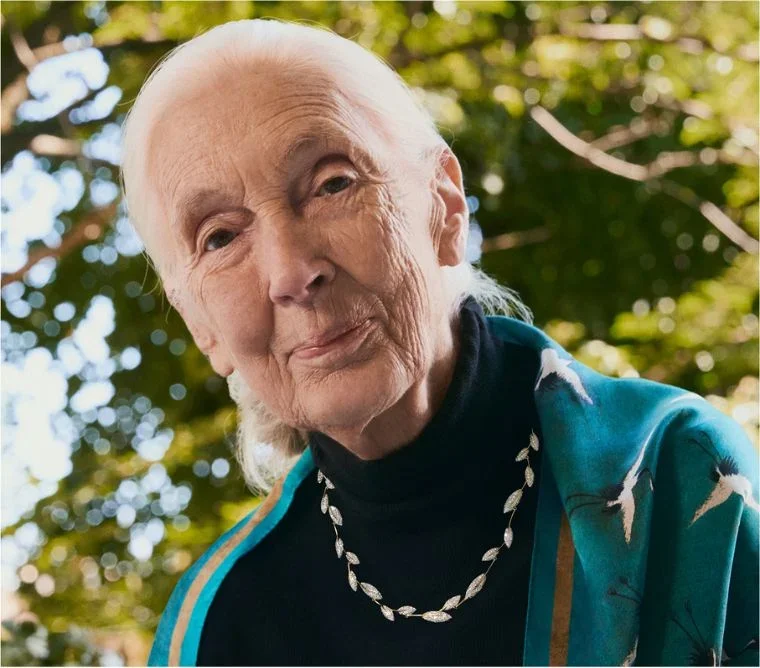
Just like the damage caused by mining, the fashion industry leaves its own mark on the planet. With so much waste produced every year, it only makes sense to turn to recycled materials that look and feel the same. Lab-grown diamonds are a perfect example– they cut down CO2 emissions and avoid the harmful practices tied to mining, proving that fashion can still shine without costing the earth.
As we honor Dr. Goodall and everything she stood for, we’re reminded that true style begins with intention. Her life’s work was rooted in compassion for animals, people, and the planet, and that same compassion should guide how we create and consume fashion today. She spent her life advocating for a future where humans live in harmony with nature, and it’s now up to us to carry that legacy forward. By rethinking our choices and embracing sustainability, we can protect the very things she loved most — ensuring that fashion evolves with purpose, not at the planet’s expense.