
What to Wear When You’re the Only One Who Looks Like You in the Room
Imagine waking up and your first thought isn’t about what to wear, but how to belong. You scroll through your closet, your feed, and your mind, lying there for a moment wondering how you’ll fit into the day ahead. You study your face, your hair, the small details no one else seems to notice but you always do. It’s a quiet ritual, a way of getting ready for a world that sees everything about you before it understands you.
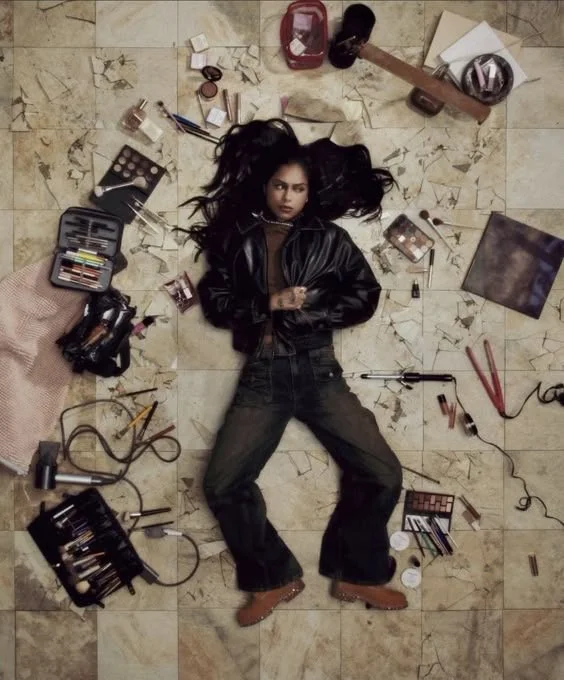
The iron heats up. The mirror catches you adjusting, fixing, hiding little things until what you see feels more acceptable. It’s just hair, just clothes, just makeup, right? Still, it feels like a rehearsal, like losing a part of yourself before the day even begins. You catch your reflection again and wonder if this is what it really means to belong.
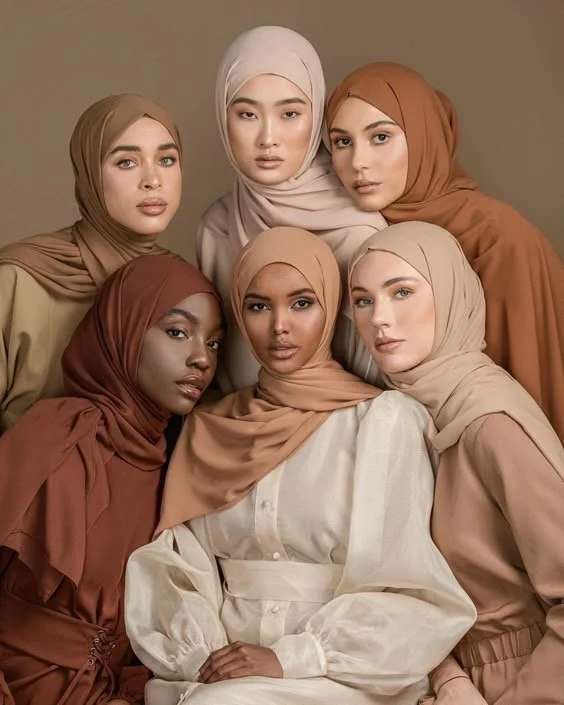
The idea of “normal” or “professional” was never random. It was built over time, shaped by centuries of European ideals of beauty and behavior. During the colonial era, power and appearance were deeply connected. Straight hair, pale skin, muted tones, and modest clothing became the unspoken standards, spreading through colonization, religion, and education. People were taught that the only acceptable way to look was European. Those ideals sank deep into daily life. They shaped dress codes, job interviews, and office culture. They quietly decided who fit in and who didn’t. The message was simple: to belong, you had to blend in.
Today, that message is being rewritten.
Across the world, people are redefining what it means to look professional or beautiful. Black women have become powerful symbols of this shift, wearing natural curls, braids, and locs that were once dismissed as unkempt. In the U.S., the CROWN Act now protects the right to wear natural hair without discrimination. Something as simple as hair is becoming a declaration of identity and pride.
Muslim women are also changing what visibility means through modest fashion. When Halima Aden walked international runways in her hijab, she wasn’t just modeling clothes. She was showing a new kind of confidence and expanding the idea of beauty itself. Cultures around the world are reclaiming what was once hidden. South Asian fashion, with its bright colors and intricate embroidery, is now celebrated on red carpets. Indigenous designers are bringing beadwork and traditional patterns to city runways. What was once labeled “too ethnic” is now shaping global fashion. Streetwear has roots in Black creativity. “Boho” style draws from Indigenous, Middle Eastern, and South Asian inspiration. Even the viral “clean girl” look comes from Black, South Asian, and Latina beauty trends.
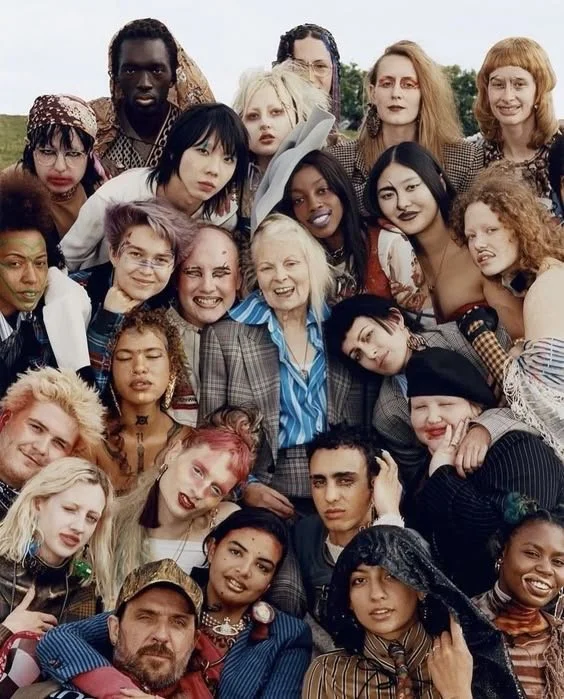
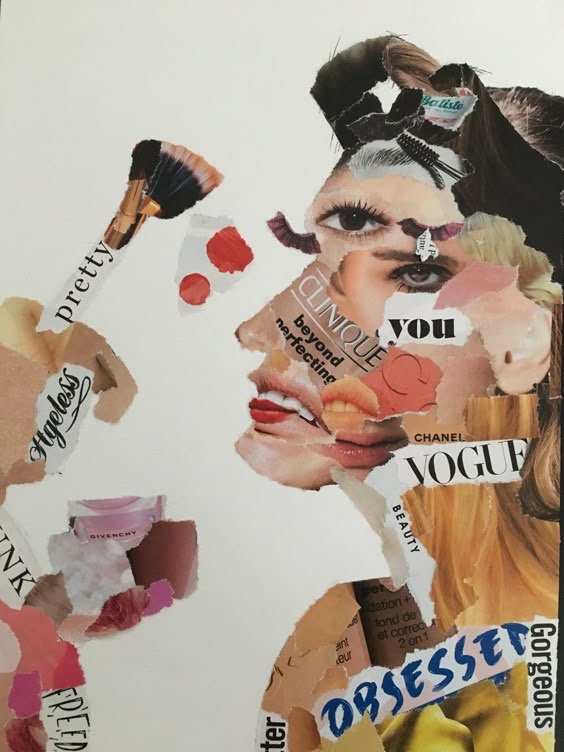
Fashion has always reflected more than just style. It shows what a society values, what it celebrates, and what it tries to erase. Right now, it’s reflecting something new: that belonging doesn’t need approval.
So, what do you wear when you’re the only one who looks like you in the room? You wear what makes you feel seen, even if no one else understands it. Every morning becomes a small act of defiance, a reminder that you don’t have to hide to belong. Because belonging has never been about blending in. It’s about showing up as yourself, even when it’s uncomfortable. That’s where real power begins, and where change starts.