
The Art of Personal Branding
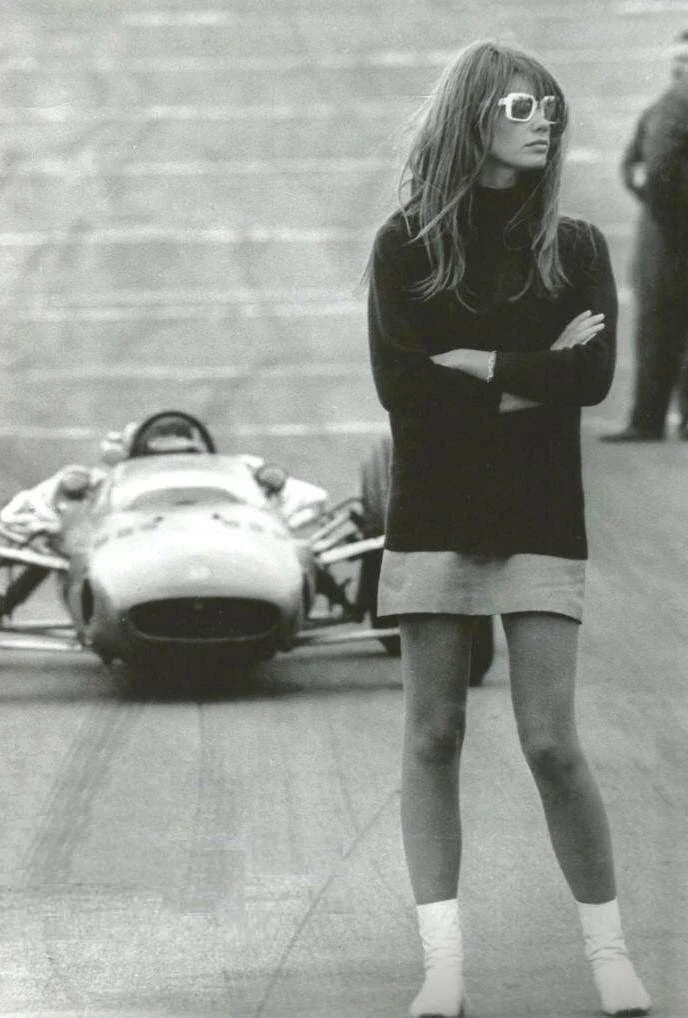
In a world where everyone wants to go viral, what makes a brand truly memorable? In today's fashion landscape, the phrase “building a brand” has evolved far beyond logos and product lines. It’s about storytelling, consistency, and values; a form of self-expression as deliberate as the clothes themselves. With social media accelerating exposure and consumer attention spans shrinking by the day, they must construct worlds. The new blueprint for fashion identity is not defined by what a brand sells but by the ethos it projects.
The shift began with the democratization of fashion. Once dictated by a handful of luxury houses, the industry now operates in a landscape where visibility can be achieved through a single viral post. Yet, virality alone does not guarantee longevity. In this oversaturated market, the brands that endure do so through intentional storytelling and emotional resonance. Brands like Miu Miu’s recent pivot toward “quiet luxury” did not just sell minimalist tailoring; it reflected a cultural mood of restraint and reflection. Similarly, Serre’s moon motif has become a visual shorthand for regeneration and individuality, turning sustainability into an aesthetic rather than a marketing tool.
Authenticity sits at the core of this new model. Consumers today, especially Gen Z, understand when brands are being performative. They want transparency about where products come from, who makes them, and why the brand exists in the first place. Reformation built its empire on precisely that premise, pairing witty copywriting with clear data on environmental impact. Its identity feels approachable, human, and aligned with its audience’s ethics. This connection transforms customers into communities, reinforcing loyalty through shared values instead of seasonal trends. Creative direction has also become a key factor in shaping brand personality.
A strong visual narrative, whether through campaigns, runways, or social media, creates cohesion. Designers like Jonathan Anderson at Loewe understand this instinctively, blending conceptual art and humor into the brand’s DNA. His approach proves that in an era of content overload, clarity of vision cuts through noise. The most successful brands know who they are and communicate it consistently, from typography to tone of voice.

Digital identity now functions as both stage and mirror. Platforms like Instagram and TikTok allow brands to craft personas that blur the line between editorial storytelling and direct conversation. But this constant visibility also demands careful curation. Building a brand online means balancing aspiration with authenticity, offering glimpses behind the scenes without revealing too much. The brands that strike this balance, like Jacquemus with its sun-drenched imagery and candid creative process, feel both intimate and aspirational. They embody a lifestyle rather than merely sell one.
Whether through sustainability, heritage, or avant-garde experimentation, the most compelling designers understand that identity is their greatest asset. Fashion may move in cycles, but a brand’s essence– its story, community, and point of view– must remain constant. In a world where trends expire overnight and everyone competes for attention, the brands that last are those that offer something timeless: a sense of belonging. Because in fashion today, the clothes are only half the story; the rest is you.
Creating that sense of identity takes reflection and direction. Below are a few steps to help you begin crafting your personal brand in fashion.
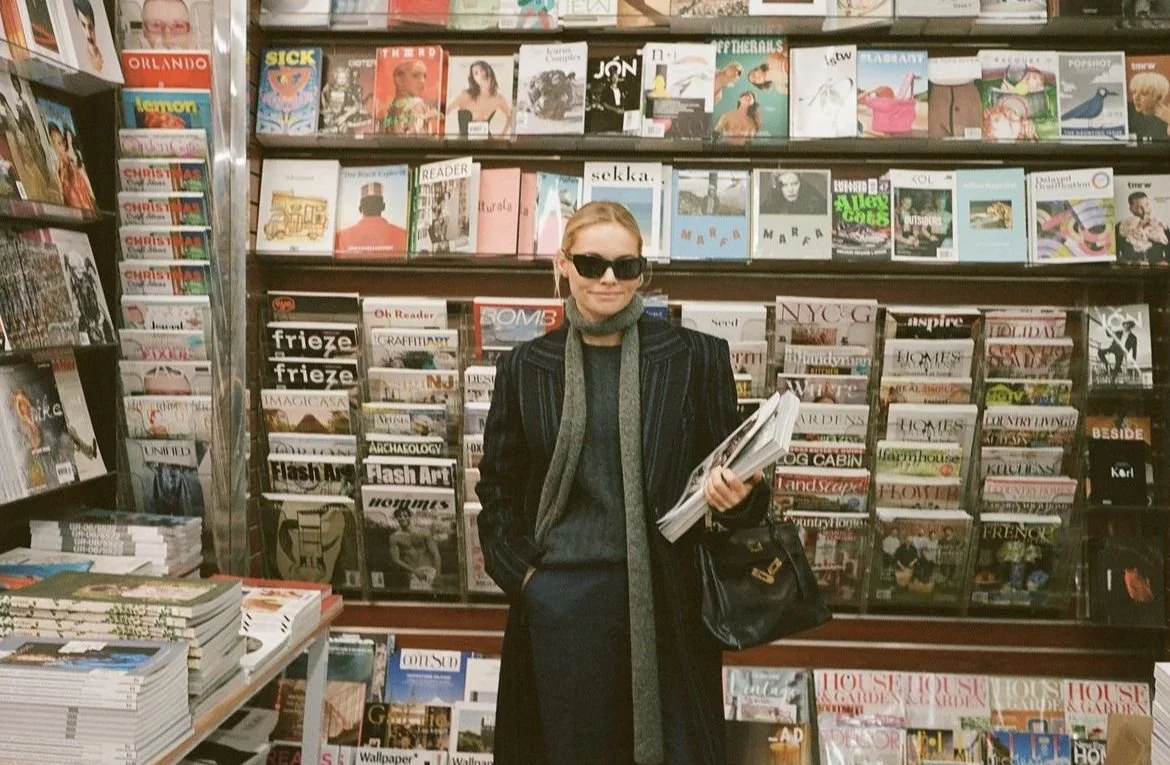
Curate your inspiration with intention. Start by creating a Pinterest board or saving pictures on Instagram from people whose style you admire. Think of people who are known for their branding such as Carolyn Bessette, Jane Birkin, Grace Jones, etc. What resonates with you?
Identity patterns. After collecting your references, take a step back and study them. Notice recurring shapes, colours, lengths, and fabrics. What do you gravitate towards?
Define your fashion values. Consider what matters to you in fashion; sustainability, craftsmanship, experimentation, or nostalgia. These values will guide how you shop, style, and communicate your choices.
Create consistency through small details. A personal brand becomes memorable through repetition. This could be a piece you always wear, a recurring colour, or a specific pattern. Signature jewellery is a great way to start small!
Document your style. Take photos of the outfits that make you feel the most confident and notice what they have in common. Over time, you will also be able to see what about your style changes and what stays consistent. Those timeless pieces are what define your personal brand!