
Fast Fashion Needs Feminism, Fast!

Shari Gabrielle Bautista
Shopping fast fashion from companies such as Shein can be handy for people on a budget, or for anyone who treats it as a pastime. What often gets forgotten, though, are the workers who make these clothes. The UN Secretary‑General recently warned that these trends could kill the planet, which opens a bigger conversation about sustainability and ethics. Canada alone dumps roughly 500 million kilograms of textiles per year. Even more concerning: the exploitation of women in the garment industry, which disproportionately affects developing countries and relies on cheap labor in unsafe environments.
One stark example is the collapse of the Rana Plaza garment factory in Savar Upazila, Bangladesh, in 2013. The disaster killed and injured about 1,134 people, making it the deadliest garment‑industry accident on record. Yet the day after the collapse, workers were forced to return to the factory, despite clear structural dangers. That alone should have been a wake‑up call to end worker exploitation.
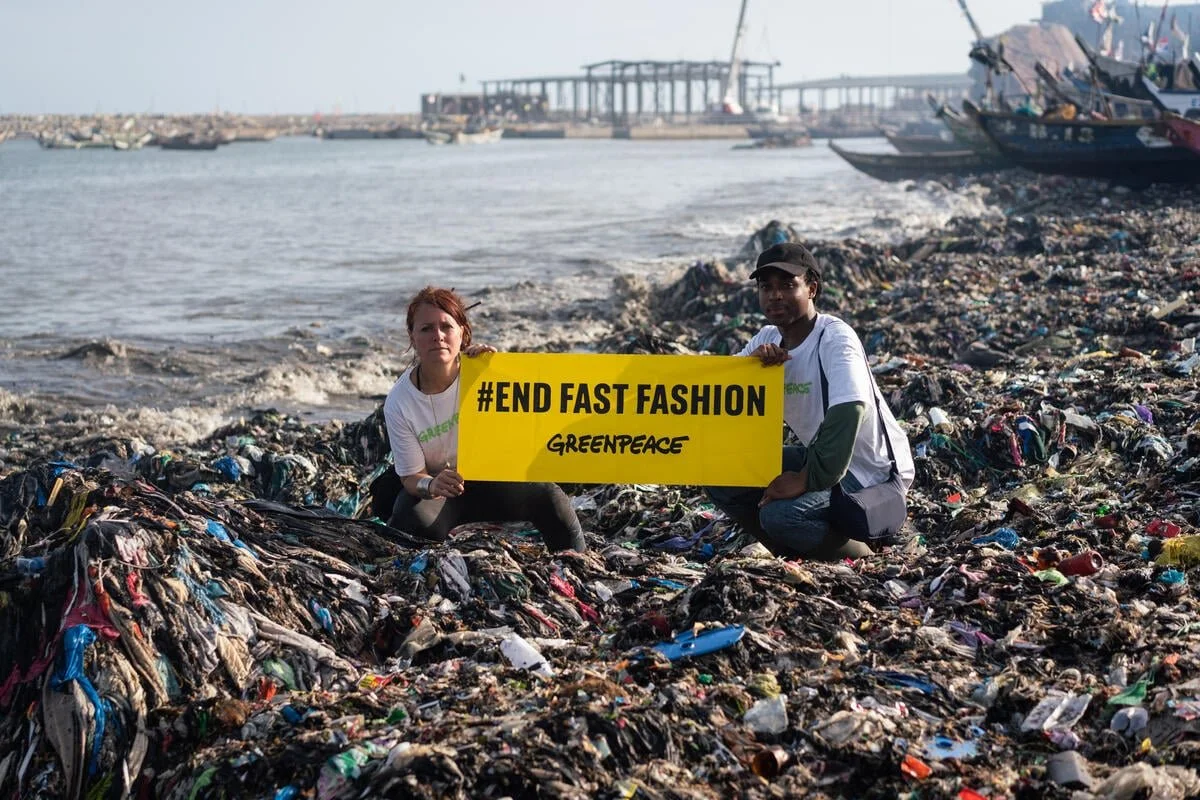
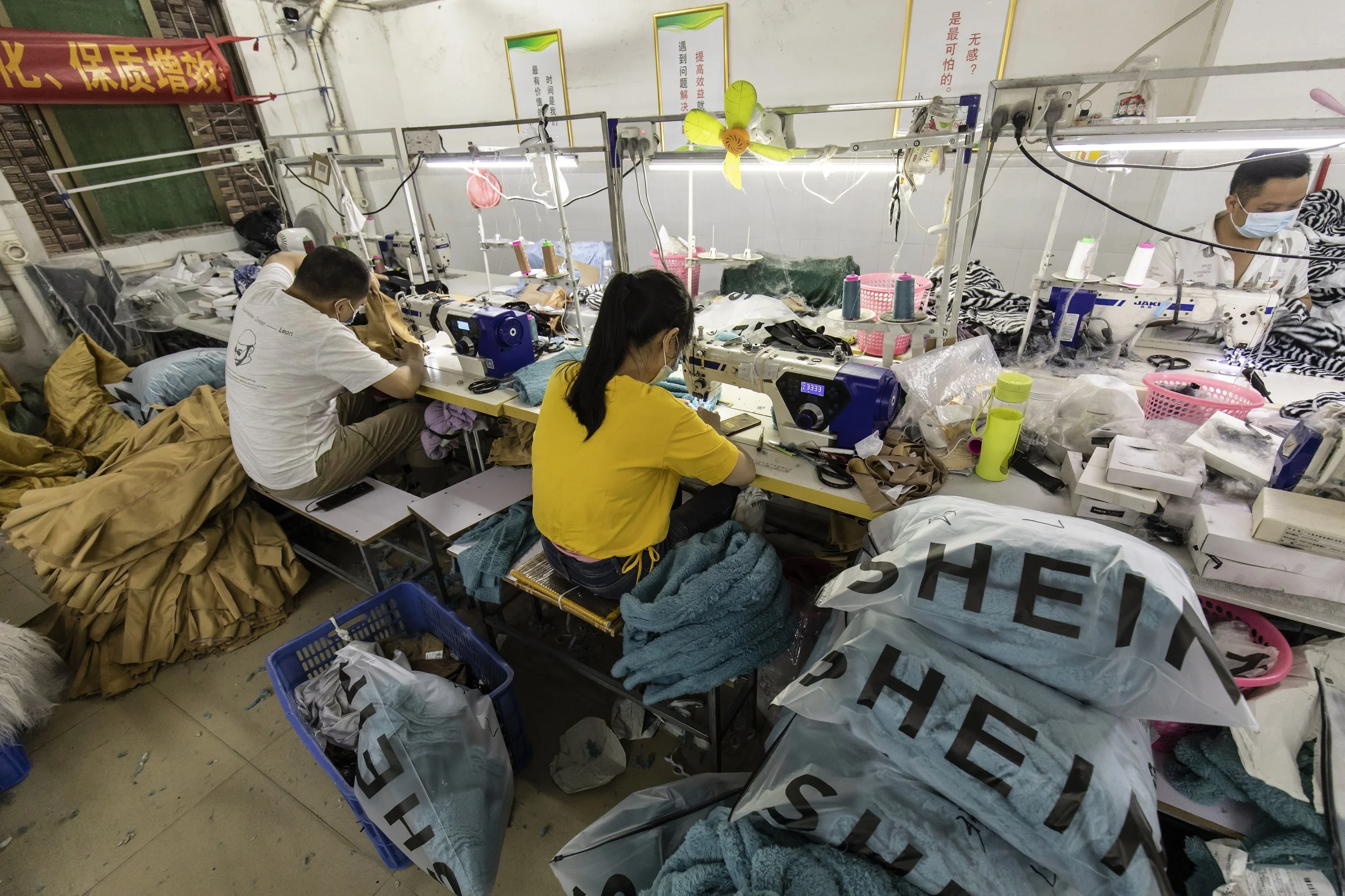
The recent Shein surge on TikTok and the rapid growth of fast fashion have further integrated places like Bangladesh into the global economy through low‑wage export production.
But, who forms the backbone of this industry?
Women.
Women in the Global South dominate garment work because of rural poverty, limited job options, and the desire for income and independence. Employers often seek a compliant, low‑cost workforce, turning to women. As academic research has noted, it is the perceived docility and dispensability of women that makes them attractive to employers, and patriarchal beliefs help justify this exploitation.

In Ethiopia, the decline in demand during the COVID‑19 pandemic hit female garment workers hard. Many women in this sector are in their twenties, unmarried, with 10–12 years of education. During the downturn, 41% lost active employment. Few could find other work, given a heavy reliance on health‑care professions.
Wages also showed a clear gap. Ethiopian men in the industry averaged 1,471 birr, while women averaged 1,100 birr– about 35% less. On paper that difference might look small, but a woman’s salary alone often couldn’t cover basic necessities like food and rent, which typically cost around 1,200 birr. About 80% of these women had no savings.
The consequences were worse than just financial. With layoffs and wage gaps hitting women hardest, roughly 24% screened positive for clinical depression. Many used migration as a coping strategy, but faced barriers like finance, transportation, and pandemic restrictions. The gender wage gap existed long before modern feminism, but the pandemic magnified its impact on women in lower‑income countries.
A similar pattern appears in China. Rural women who need extra income to support children migrate to work for fast‑fashion suppliers. The expectation that women handle child care while also being the financial supporters of their families is a global, feminized pattern. This reflects how patriarchy shapes labor expectations in many countries.
Migrant motherhood– the necessity for women to migrate while still bearing caregiving responsibilities– puts the physical and psychological welfare of mothers at risk and affects their children’s development. So women are not only expected to be mothers, but also to carry financial burdens alone. This structural inequality exists across many developing countries. Supply chains reinforce class and gender hierarchies, often serving wealthy western consumers who benefit from low‑wage, overworked, racialized women in the Global South.
Yet feminism can’t succeed if it ignores differences between women. It must embrace them. A historical example that shows both the power of women’s collective action and the need to acknowledge diverse experiences is the New York shirtwaist strike 1990.
This massive strike involved around 20,000-30,000 garment workers, mostly young Italian and Jewish immigrant women, in the blouse industry. They protested low wages, 12-14 hour workdays, overcrowded and unsafe workplaces, and employer harassment.
Strike leaders and participants faced police brutality, incarceration, and attacks from hired thugs. What kept the movement going was support from other women and organizations: the International Ladies’ Garment Workers’ Union and the Women’s Trade Union League. Jewish activist Clara Lemlich encouraged the movement in a famous speech, pledging her dedication to the cause.
The strike ended with the Protocol of Peace, a partial settlement where some factories agreed to demands, others did not. Still, the unionization of women who had been ignored and exploited showed the political power women hold when they unite for progressive reforms. They challenged male‑dominated unions and disproved patriarchal stereotypes.
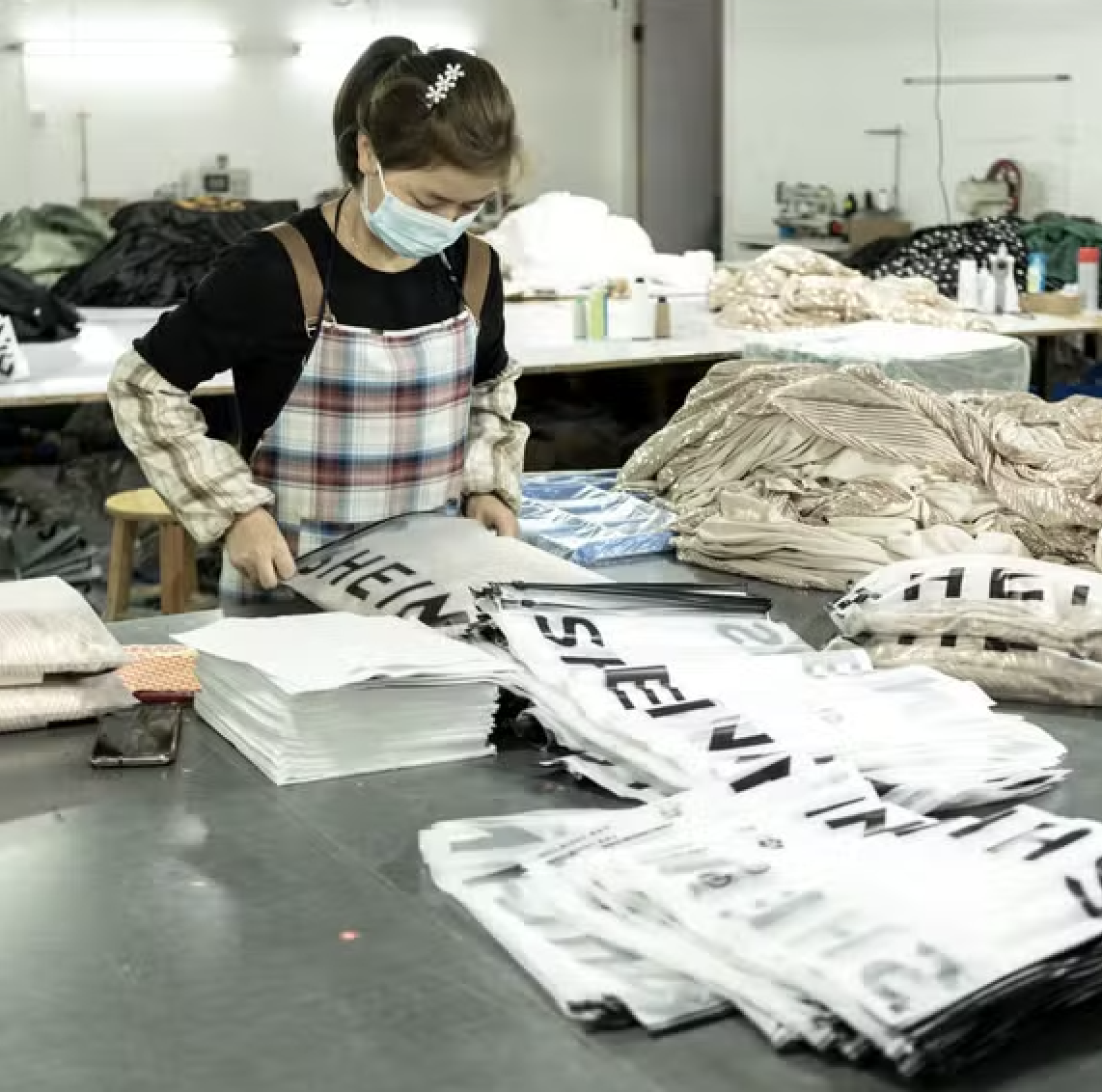
Clearly, the fast-fashion system depends on women whose labor is hidden behind low prices and rapid trends. These inequalities aren’t new, but they’re more visible than ever across global supply chains. The women of the 1909 shirtwaist strike showed that collective action can shift an entire industry, and that lesson still applies today. Change doesn’t require perfection– it starts with awareness, small choices, and supporting efforts that prioritize workers’ rights and safety. To reduce the exploitation of women in the Global South today, we need to acknowledge the problem and act together. One place to start is supporting organizations that center garment workers’ voices, such as the Clean Clothes Campaign, which works to improve conditions and rights in the industry.