
The Evolution of Men’s Fashion: From Basics to Expression
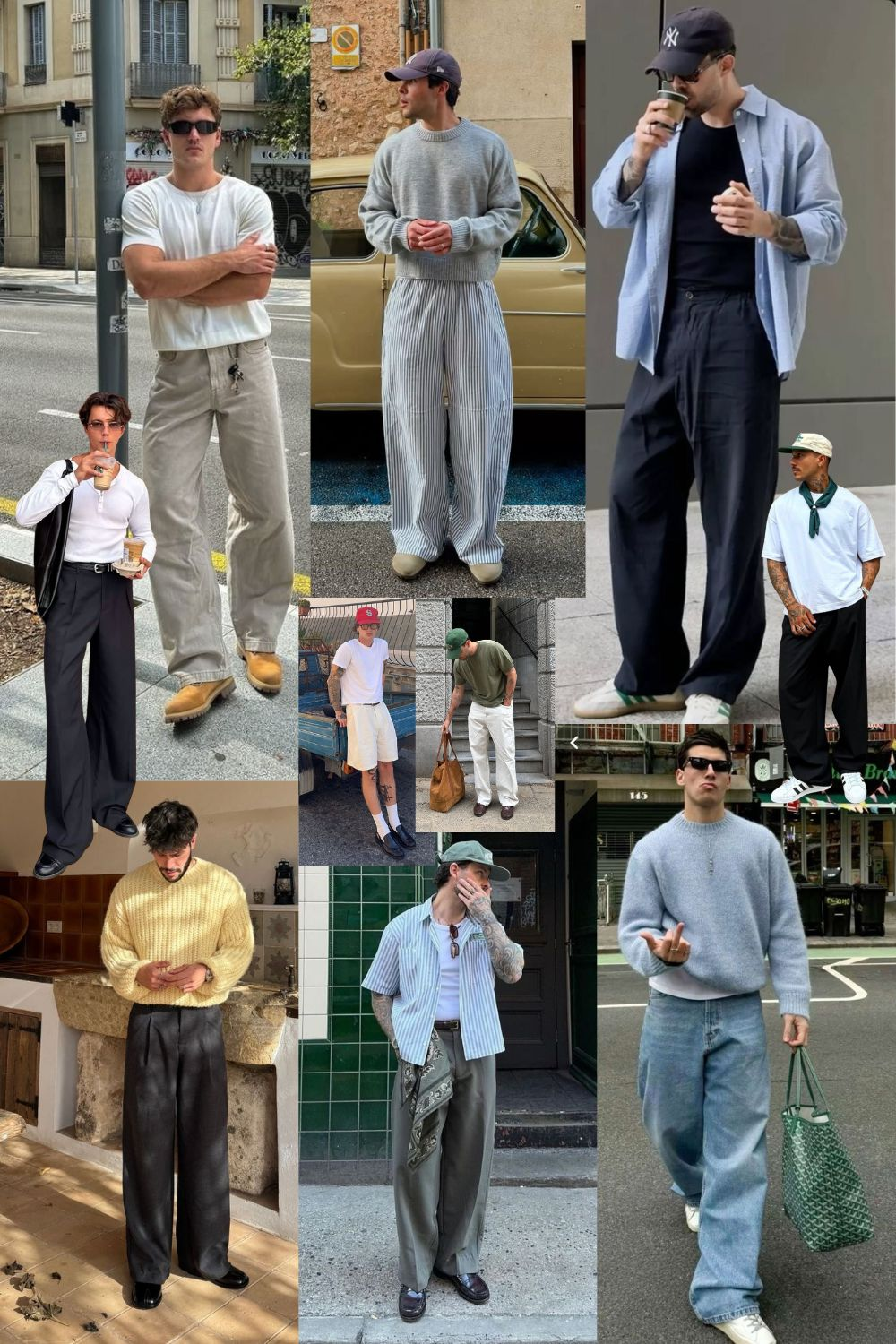
For decades, men’s fashion was categorized for its simplicity. Though, with the progression of society, and the rapid emergence of media in subjectivity, men’s fashion no longer revolves around basic colours and strict ideas of masculinity; it is slowly becoming a space for creativity, self-expression and fluidity. What was once dominated by simple jeans, hoodies, and basic tones has evolved into an environment where individuality is not only accepted but heavily encouraged. Today, many men are using fashion as a way to communicate identity, challenge norms, and experiment with aesthetics that move beyond traditional gender frameworks.
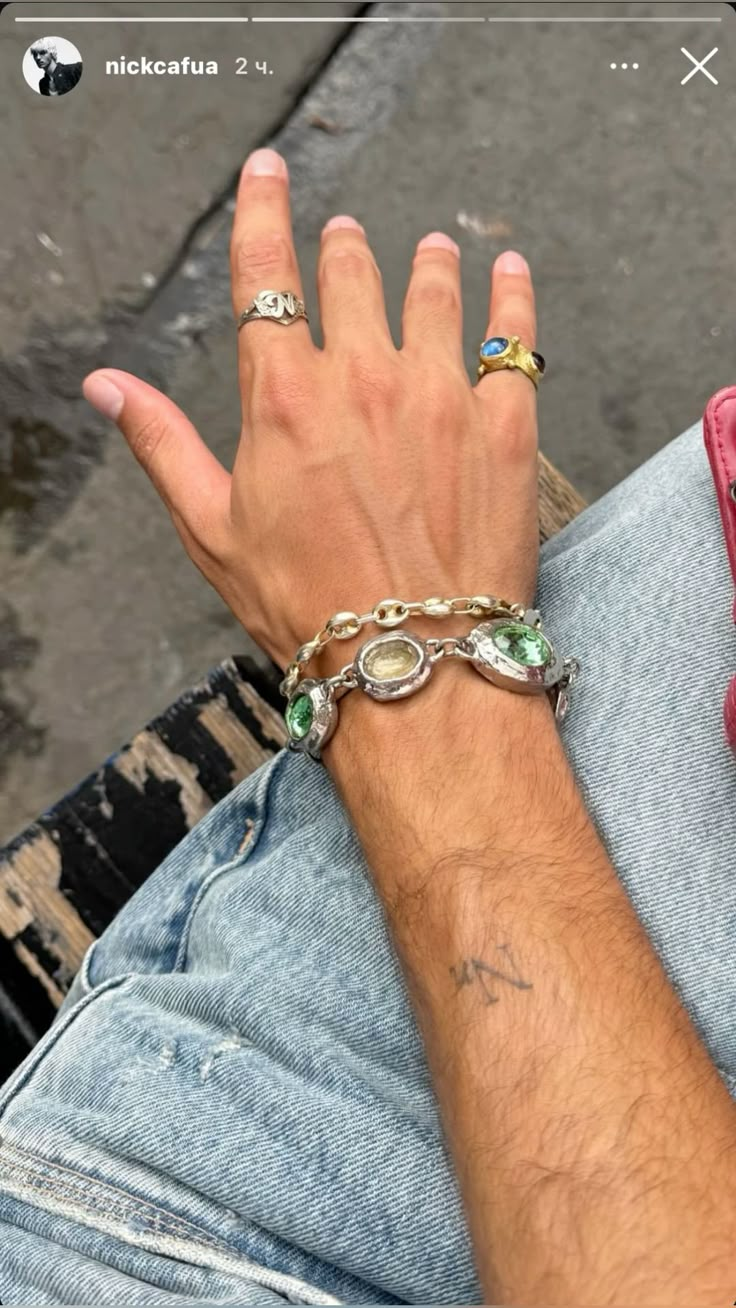
A major driver of this shift is the rise of androgynous fashion. Androgyny in style blurs the lines between what has typically been labeled “masculine” and “feminine,” incorporating elements of both into cohesive, expressive looks. Public figures like Harry Styles and Timothée Chalamet have played a significant role in bringing this aesthetic into the mainstream. Whether it's wearing pearl necklaces, painted nails, or traditionally feminine silhouettes on the red carpet, these celebrities challenge outdated expectations and make space for more diverse forms of masculinity. Their visibility signals to younger audiences that fashion does not have to be confined by gender.
Social media platforms such as TikTok and Instagram have accelerated this transformation. Unlike traditional fashion media, which often upheld narrow standards, these platforms democratize style by allowing anyone to share their look and find inspiration. Men are now exposed to a wider range of aesthetics– from soft, minimalist outfits to bold, experimental ensembles– and are encouraged to curate their own personal style. The algorithm-driven nature of these platforms also reinforces niche fashion communities, where androgynous and gender-fluid styles are not only accepted but celebrated.
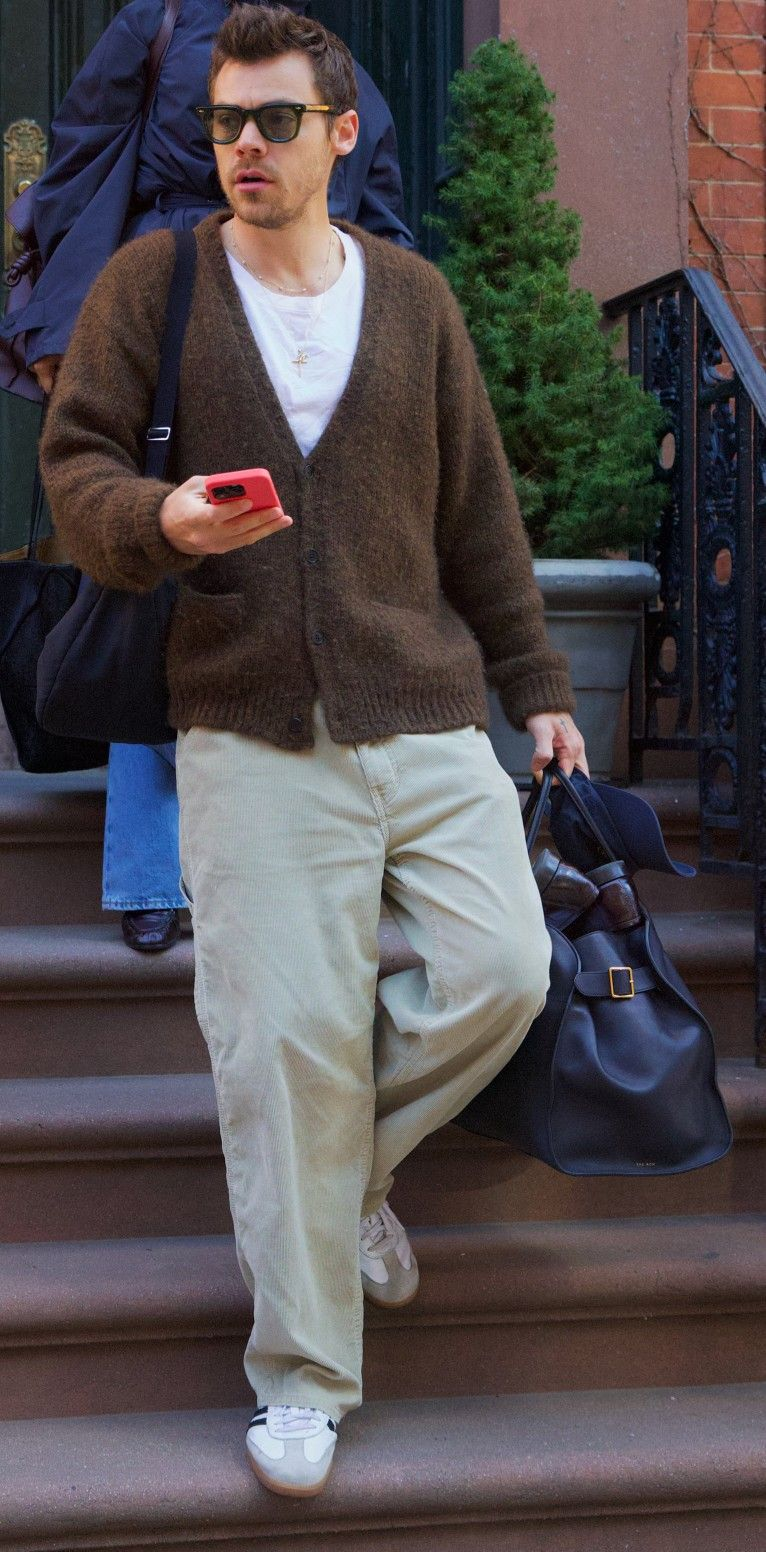
This shift is not just happening online or among celebrities– it is increasingly visible in everyday spaces, including university campuses. At schools like Queen's University, it is becoming more common to see men incorporating jewelry, experimenting with layering, or playing with silhouettes that were once considered unconventional. Painted nails, oversized trousers, cropped jackets, and fluid fabrics are no longer outliers but part of a growing trend toward expressive dressing. For many students, fashion has become less about fitting in and more about standing out in a way that feels authentic.
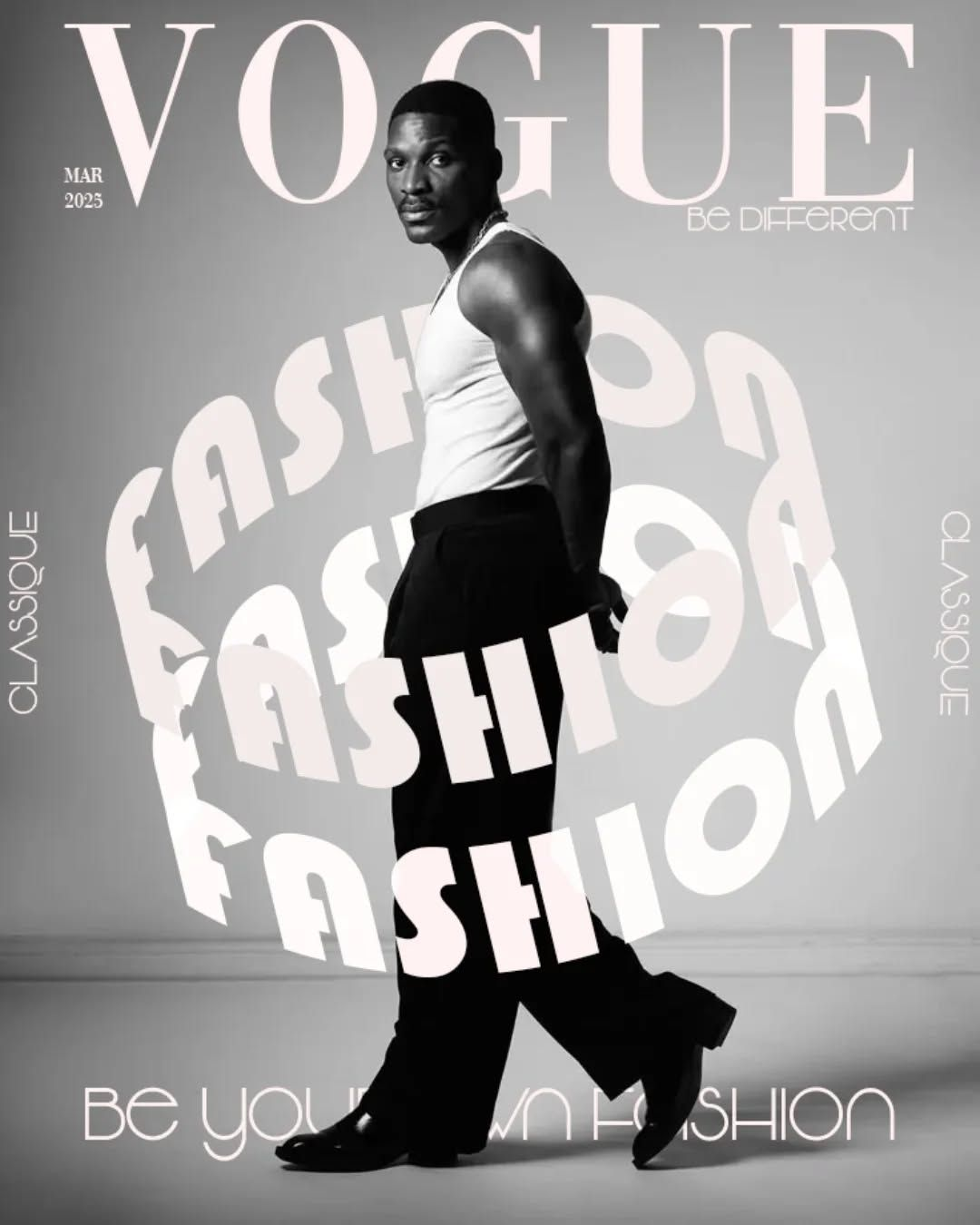
At its core, this evolution reflects broader cultural changes in how masculinity is understood. Traditional masculinity often emphasized restraint, uniformity, and a clear separation from anything perceived as feminine. However, younger generations are increasingly rejecting these limitations, embracing a more flexible and inclusive understanding of identity. Fashion plays a key role in this shift, acting as a visible and accessible way to challenge norms and redefine what it means to be masculine.
Ultimately, the evolution of men's fashion is about more than just clothing– it is about freedom. The growing acceptance of androgynous style and self-expression signals a move toward a culture where individuals are less constrained by outdated expectations and more empowered to present themselves in ways that feel genuine. As these trends continue to develop, it is clear that the future of menswear will be defined not by rules, but by the limitless possibilities of personal expression.