
Robots on the Runway: Is Fashion Losing Its Human Touch?
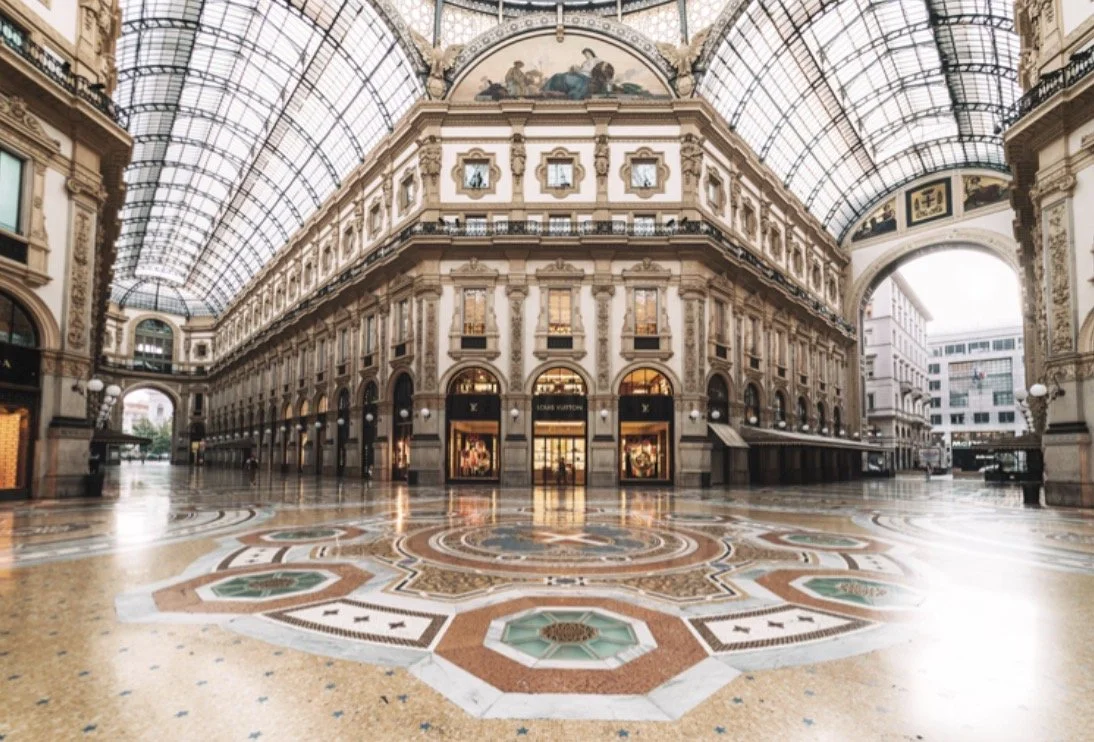
The Venue
Fashion has always been about pushing boundaries, but I don’t think anyone had humanoid robots on their Vogue World bingo card this year. The September show, held in Milan’s Galleria Vittorio Emanuele II, one of Italy’s oldest active shopping arcades, was billed as a tribute to Italian craftsmanship and the human touch—so naturally, the moment everyone is still talking about is four robots waving down the runway to L’Amour Toujours by Gigi D’Agostino
Enter: INTERMEZZO
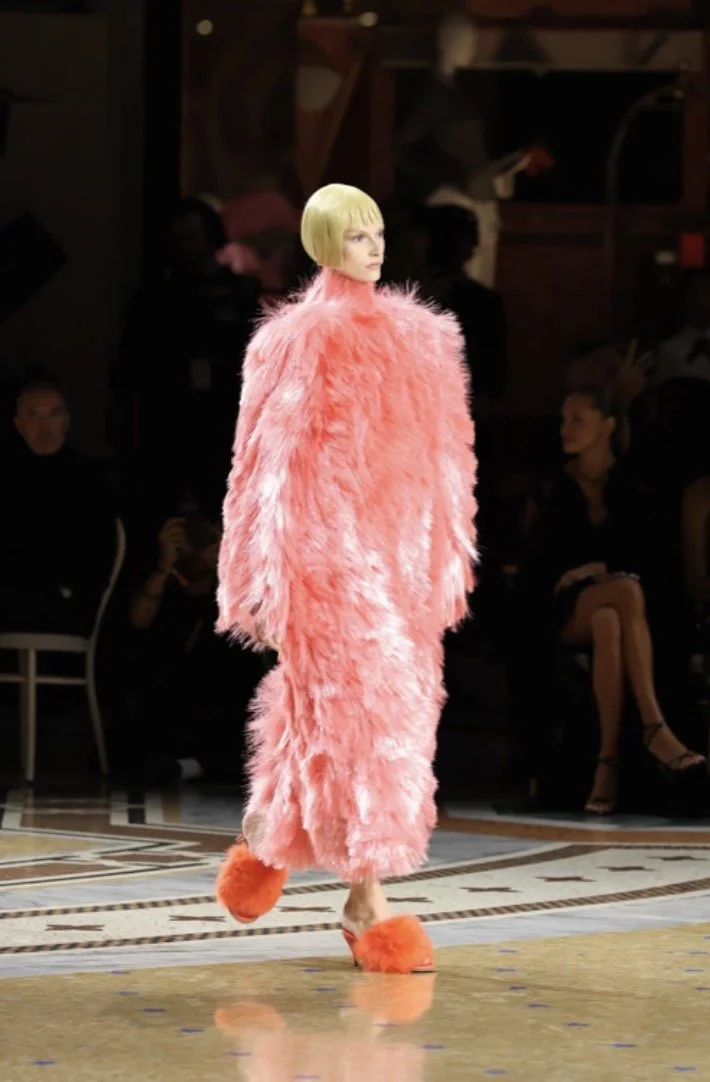
The segment belonged to Act IV: The Age of Intelligence, where craftsmanship and technology were meant to converge. Louise Trotter’s pink and white textured Bottega Veneta coat, made from recycled fibreglass, was exactly what the act promised: genuine innovation, with craft and technology working together. Then came four unclad Unitree Robotics humanoids, strolling alongside Alex Consani, Ruth Deng, and Yumi Nu, waving at the crowd and encouraging the audience to clap. Unfortunately, not everyone was applauding.
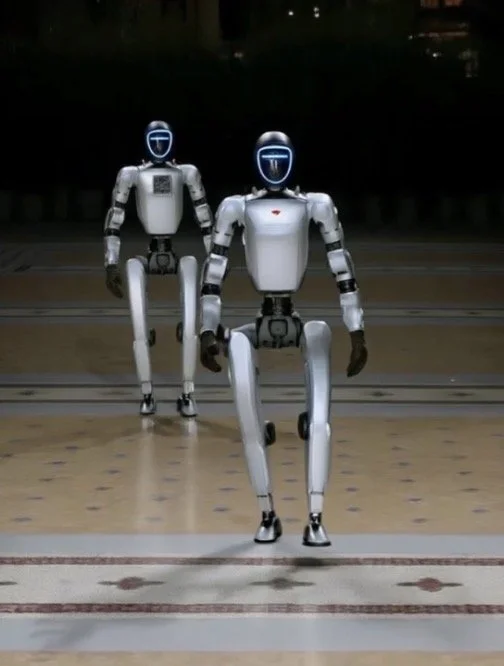
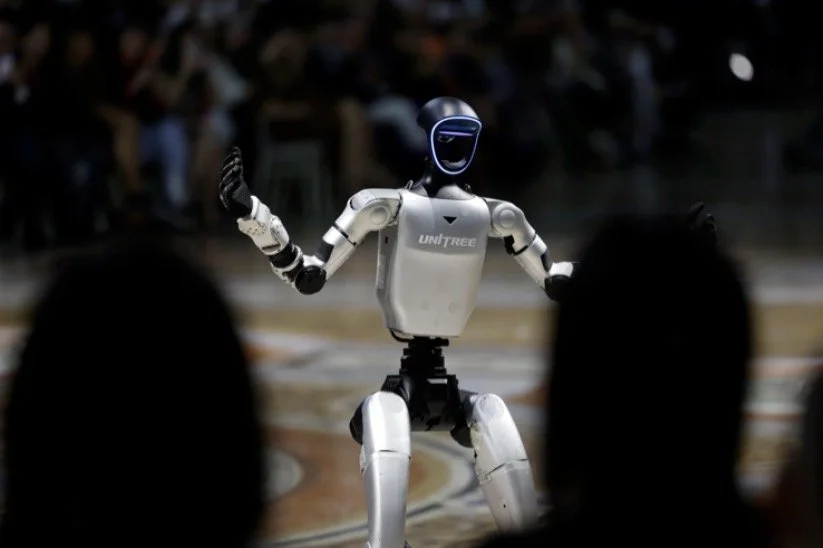
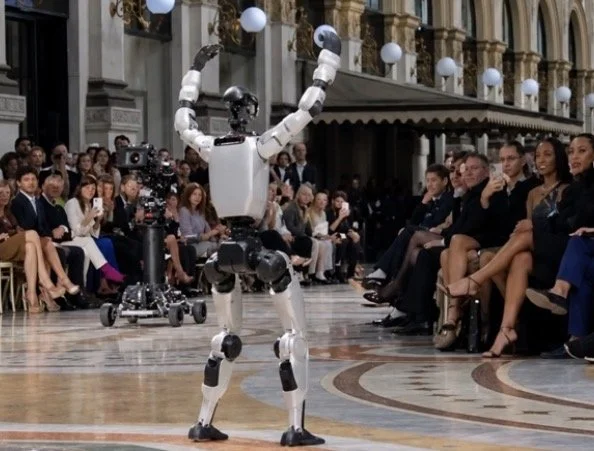
Alessandro Michele’s painted front-row expression went viral, Miuccia Prada’s reaction became a meme, and the robots stole the spotlight for whatever fashion was on show and the sponsors Meta Glasses and OpenAI, didn’t exactly help the “human touch” narrative.
Creative director Juan Costa Paz has described the robots’ clunkiness as intentional, a nod to the early days of AI. The internet didn’t buy it. Some viewers questioned why robots belonged at an event celebrating craftsmanship, while others saw their appearance as another reminder of technology’s growing influence over creative industries.
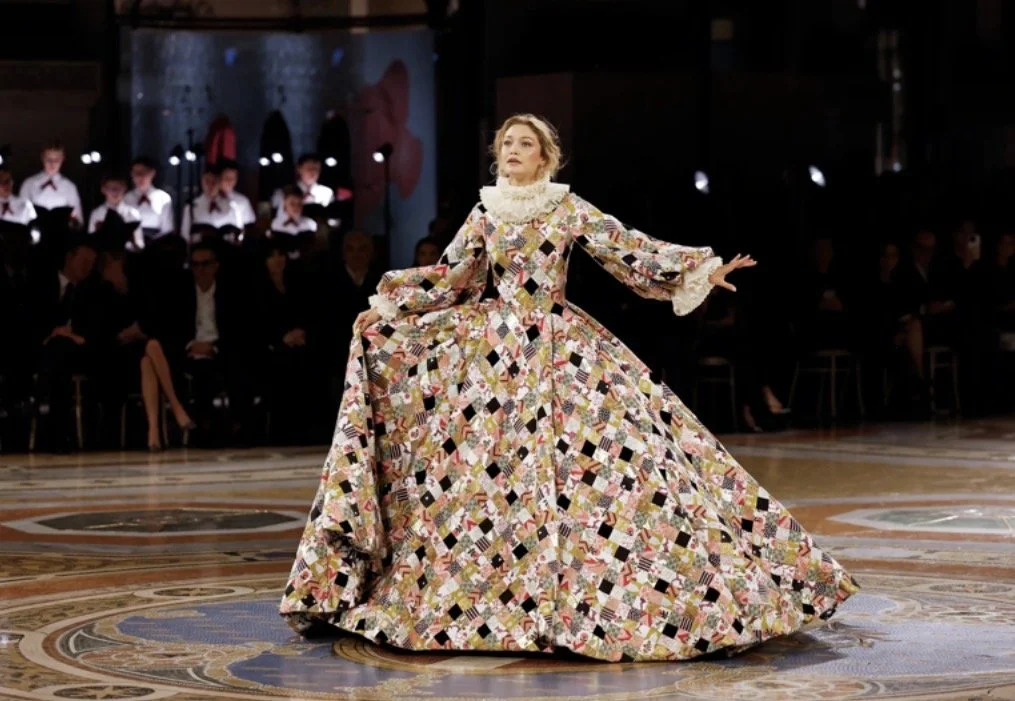
Opening Act (The Artisanal Revolution)
Personal Take: What Would Kant Say?
In Critique of Judgment, Immanuel Kant argues that true art comes from “genius”: an innate talent that creates its own rules instead of following them. Genius is original, imaginative, and impossible to reduce to a formula anyone can follow.
A robot running choreography isn’t expressing anything really — it’s executing instructions it was given. A wave is a command, not an innate feeling. By Kant’s standards, the least “artistic” thing in the Galleria was the act designed to symbolize the future of creativity.
But is Technology the Villain?
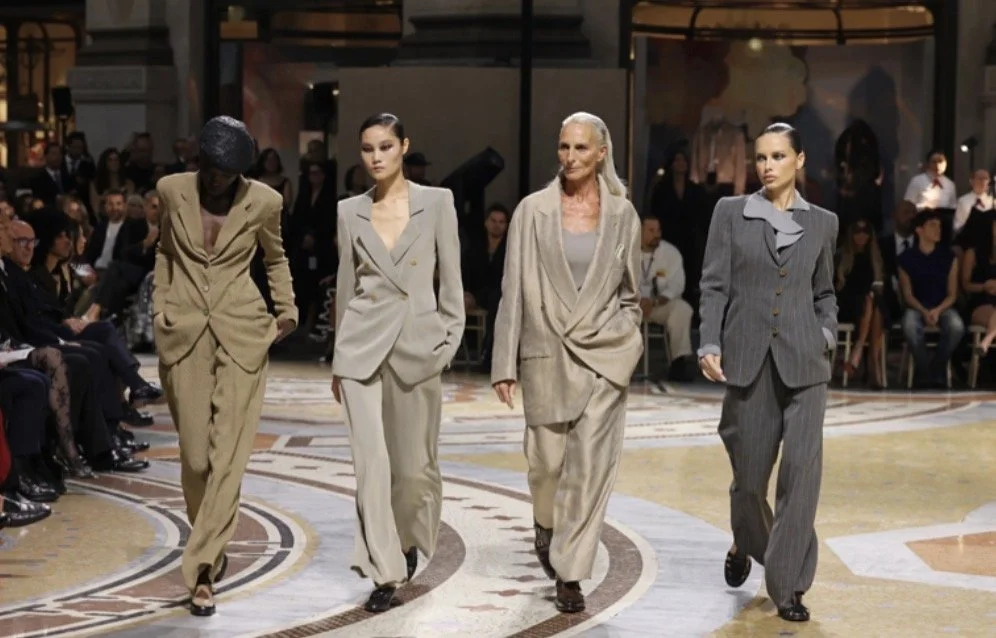
Act II (The Industrial Revolution)
Not necessarily. Kant also insisted that genius still relies on learned techniques, so there’s no reason new tools can’t serve that role – as long as originality comes from a person. Think of A.A. Murakami’s bubble dress for Eileen Gu at this year’s Met Gala or Schiaparelli’s 2024 couture moment with a robot baby and a dress made of vintage microchips. In both, technology served a human idea.
At Vogue World, the technology was the idea, and I have a feeling that’s why it fell flat. With the cost of living crisis and ongoing fears about AI displacing jobs, a tech-sponsored robot parade felt less like innovation and more like an ad.
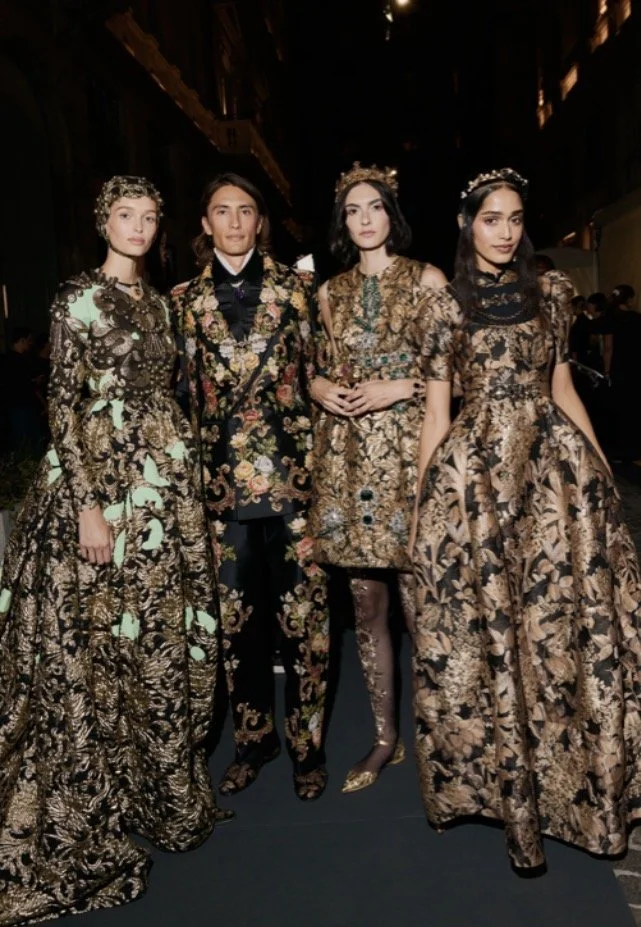
Act III (Made In Italy)
The Final Look
Fashion isn’t losing its human touch—Vogue World Milano might just be a case of misplacement. Machines can walk, wave, and even dance, but they can’t yet want to say or express something. Until they can, the real artistry will keep coming from the people behind the clothes, with technology as their tool.
A simple message moving forward: let the robots help make the art, but don’t ask them to model it.