
Closet Clean-Outs and the Pressure to Start Over
Closet clean-outs have become more than just organizing, they feel like a reset button. A way to let go of the old, making space for the new. We tell ourselves we are clearing out what no longer serves us, but sometimes it feels like we are trying to keep up with the version of ourselves we see online.
Most of the clothes we remove are not damaged or unwearable, just simply no longer “trending.” A top that previously felt exciting can slowly become easy to ignore. Something we wear often gets pushed to the back of our closet. We start to associate usefulness with relevance, and relevance with what social media approves of.
This shift in perspective is driven largely by social media, which has completely changed how we see our wardrobes. Trends now move faster than seasons, so what feels exciting one week can seem outdated the next. With constant exposure to new styles online, it becomes harder to feel confident in what we already own.
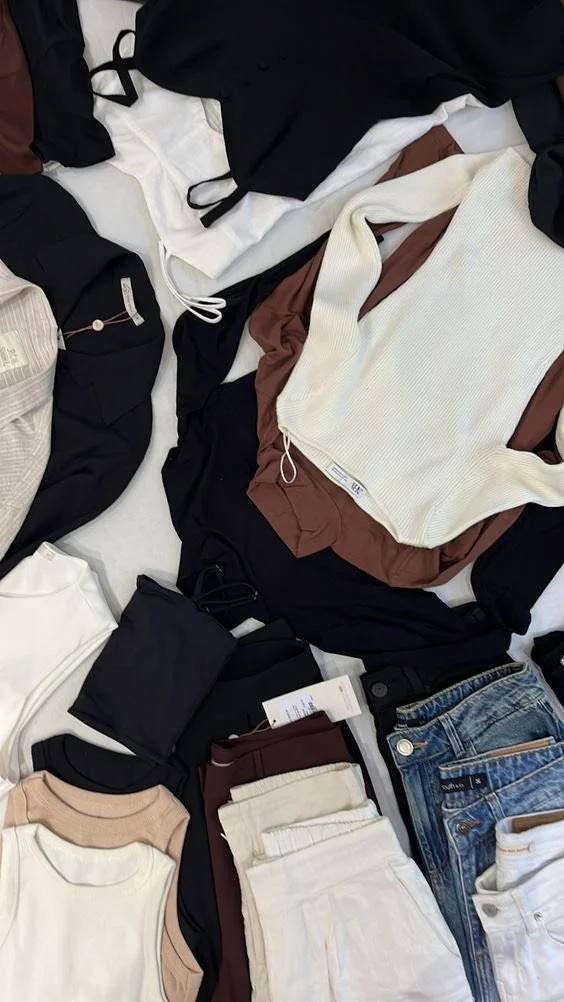
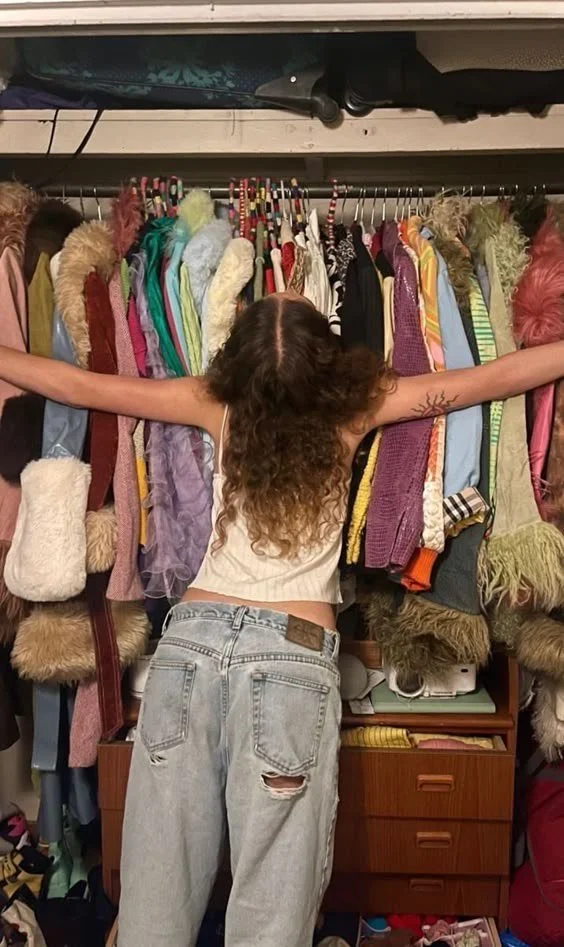
Have you ever stood in front of your closet and thought, I want to start over? Sometimes, it’s not just about picking a new outfit, but about wanting to change your whole look. When a new year begins, that feeling gets stronger. A new calendar can make you see your clothes as if they belong to someone you used to know.
This happened to me this year. I found myself scrolling through TikTok, watching influencers empty their closets talking about starting fresh, making me look at my own closet differently. Clothes I used to love felt outdated, some lost meaning, and others didn’t feel like me anymore.
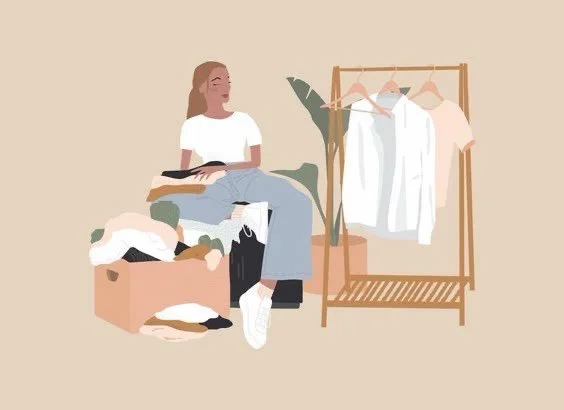
Algorithms do more than recommend clothing; they quietly shape our taste. The same colours and brands appear over and over until they begin to feel like the standard. Without realizing it, personal style can slowly turn into repetition as we choose outfits based on trends rather than what truly feels like us.
The link between these changing tastes and fast fashion is impossible to ignore. Closet clean-outs do not exist on their own; they are reinforced by a system that constantly pushes new clothing at low prices and high speed. When trends change weekly, it becomes easier to throw things away than to value them.
Fast fashion teaches us that clothes are temporary- meant to be replaced, not kept. After every closet reset comes a refill, and after every refill comes another clean-out. What seems like a personal choice is often shaped by an industry built on constant consumption. Over time, we stop asking whether we truly need something and start asking only whether it is new.
Lately, it seems like each outfit has to be a new outfit. Every event, every dinner, every photo feels like it requires something different. We start thinking, What if people remember I wore this before? or I already posted this, so I can’t wear it again. Suddenly, clothes are no longer about how they feel on our bodies, but about how they appear on a screen.
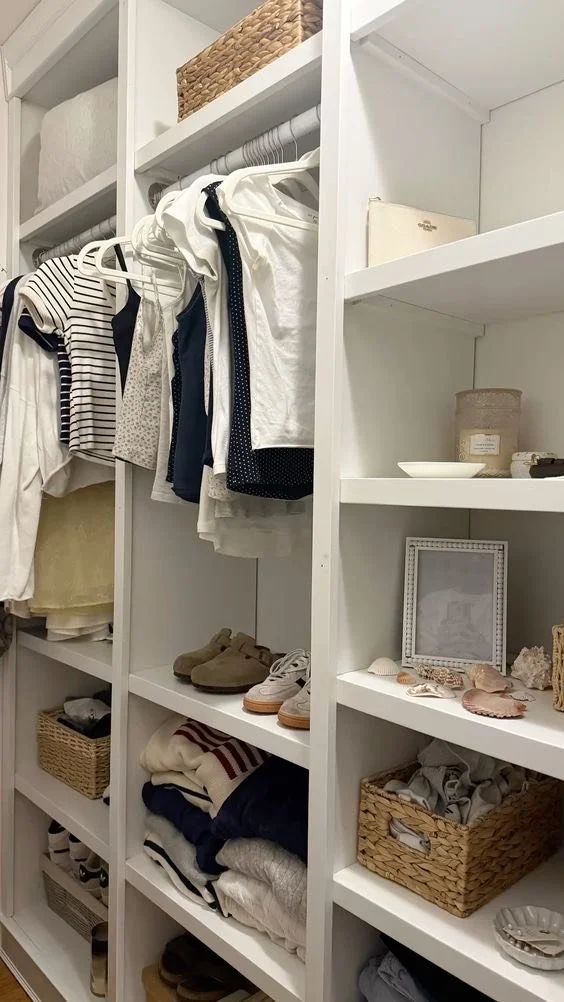
What makes it more confusing is that these outfits are still comfortable, still useful, and still perfect for the occasion. Nothing about them has actually changed. Yet it feels like everyone is always showing something new. Over time, repeating an outfit can feel uncomfortable, even though it shouldn't. Social media slowly changes our expectations without us noticing.
We have to start pushing back against overconsumption and the idea that repeating an outfit is bad. Wearing something more than once should never feel embarrassing. It should feel normal. When we allow trends and social media to define value, we forget that clothes are meant to be lived in, not just displayed.
This is where wardrobe essentials and timeless pieces come in, items that do not depend on trends to feel relevant. Essentials move with us through different seasons, events, and versions of ourselves. By investing in pieces that last, we slowly shift away from constant replacement and back toward appreciation.
Wardrobe essentials are about reliability. They stay with us through different phases of life regardless of trends.
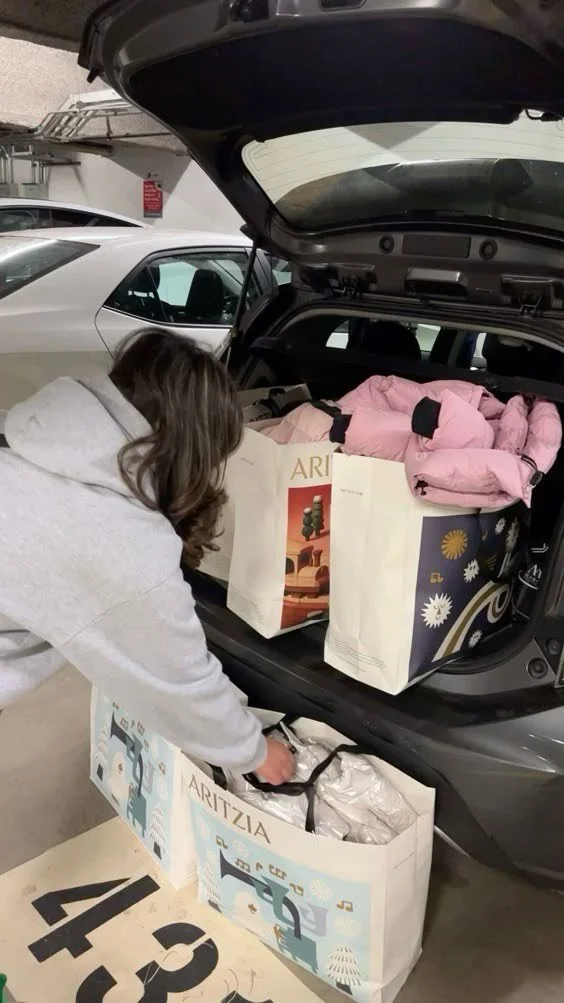
Essentials look different for everyone, but they all serve the same purpose. For some, it is a pair of jeans that always fits right. For others, it might be a black top, a sweater, or a jacket that works with everything. Shoes, bags, and simple accessories can also become essentials when they are easy to style and worn often. These items are not chosen because they are trending, but because they naturally fit into everyday life. Timeless pieces also mean choosing quality over quantity. A well-made item lasts longer, feels better, and reduces the need to constantly replace it. Instead of buying several similar items, one good piece can do more.
When a wardrobe is built around essentials, getting dressed becomes easier and more natural. Style begins to feel more personal, less performative.
Closet clean-outs will probably never disappear. There will always be a desire to reset, refresh, and start over. But that reset does not have to mean replacing everything. It can start with understanding what we already own and recognizing the value in the pieces we keep. Style does not need to be built on constant change. It can be built on comfort and intention. When we stop chasing every new trend and begin appreciating what lasts, fashion becomes less overwhelming and more meaningful.
Start making deliberate decisions today, choose what you love, wear it proudly, and be part of the movement toward more intentional, meaningful wardrobes.
Sometimes, the most meaningful reset is not in letting go of everything, but in learning how to keep what truly fits. Challenge yourself to repeat outfits, cherish your essentials, and inspire others to value what they already own. Make your closet a reflection of you-not just of trends.