Bangladesh's Garment Strikes Put Brands on Notice
Wage protests have closed factories and pushed employers into a harder line.
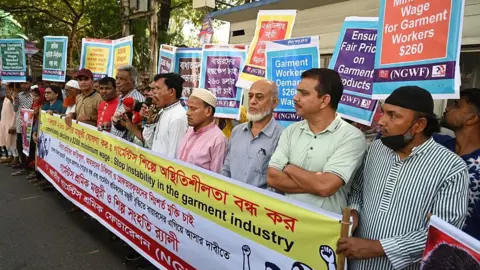
Bangladesh is the second-largest exporter of ready-to-wear clothing in the world after China (BBC), and its garment sector is facing an escalating labour dispute. Brands such as H&M, Zara, and Primark source from the country (BBC), and the dispute could disrupt supply chains for international retailers. The longer this issue persists, the more likely a domino effect will be for international buyers (BBC).
What's happening
This dispute began in early November, when thousands of factory employees protested for a higher minimum wage (Fashion Network). The issue has since spread across Bangladesh's textile hubs, including Savar, Ashulia, and Gazipur (BBC, Socialist Worker). Reports say employers initially counted 529 factories affected and nearly 987,000 employees on strike (Socialist Worker). By the weekend of November 14-15, the BBC counted nearly 150 sites closed (BBC), and Gazipur police confirmed 13 indefinite closures, with around 29 factories suspending operations on Sunday (Fashion Network, BBC). In Savar and Ashulia, more than 50 factories were inactive on Sunday, though most others had resumed production (Fashion Network).
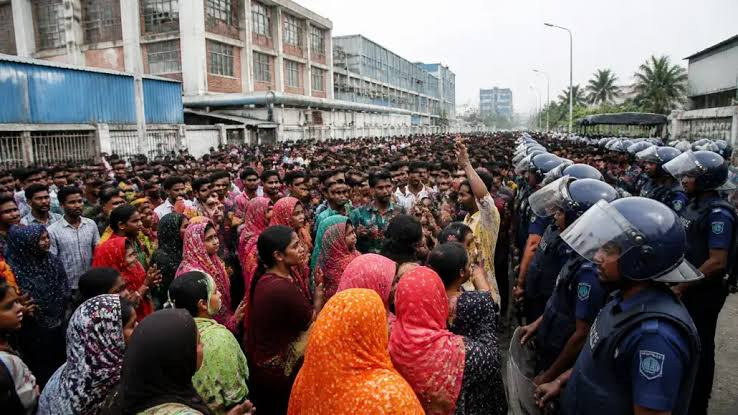
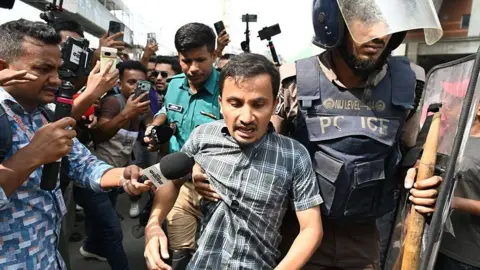
These protests have also disrupted daily life. On Sunday morning, workers blocked the Dhaka-Tangail highway in Gazipur for about an hour before police intervened (BBC). Reports also describe tear gas and sound grenades being used on the strikers (Socialist Worker).
The wage gap
The minimum wage for these factory workers is currently 12,500 taka a month (around $145 CAD), and they are demanding 30,000 taka instead (about $347 CAD) (BBC, Fashion Network). Representatives on the government's wage board have gone further, proposing 32,000 taka (roughly $370 CAD) (Fashion Network). At the centre of the dispute is the rising cost of living in Bangladesh (BBC, Socialist Worker). A cited trade union estimate says goods that cost 8,000 taka in 2018 now roughly cost 14,500 (Socialist Worker).
Their demands, however, go beyond pay. They include full payment of outstanding wages, an end to baseless lay-offs, and the abolition of the blacklist, which employers use to keep union organizers from finding other work in the industry (Socialist Worker).
Employers harden their position
On Saturday, November 14th, the two main employers' associations, BGMEA and BKMEA, announced that factories unable to develop products could stay closed indefinitely (Fashion Network, BBC). The provision that lets employers suspend these wages for those involved in certain illegal strikes for the duration of the closure is protected under Article 13.1 of their labour law (Fashion Network).
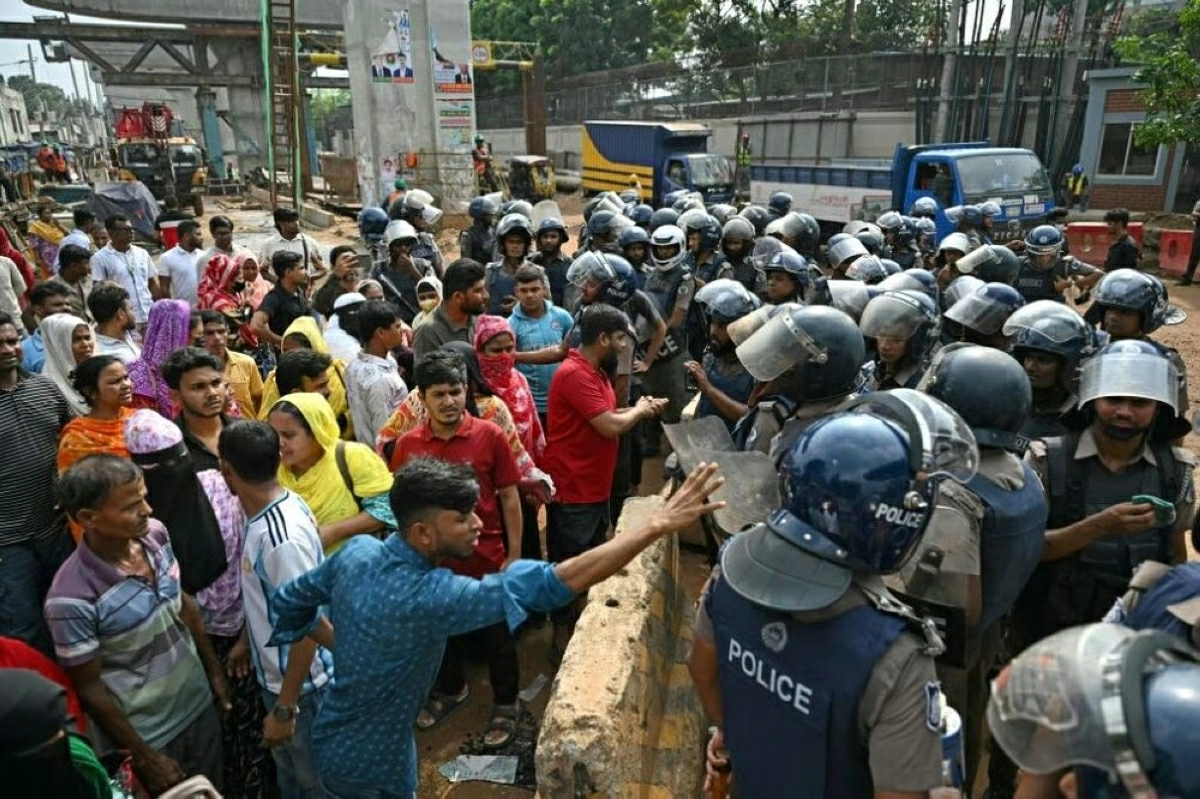
The associations are also challenging the negotiation process. Mahmud Hasan Khan, the BGMEA president, said they question the point of staying in wage board talks without any assurance that these factories will be protected (BBC). Union leaders see it differently. Joly Talukder of the Garment Workers Trade Union Centre told the BBC that workers have carried the costs for years while owners and global retailers profit (BBC).
The Timeline
The government formed a minimum wage board on November 1, chaired by a senior district judge (BBC). It said it would finalize recommendations by the end of November, with the new pay structure expected to take effect on December 1 (BBC). Reports say first payments under the new structure are expected in January, and that a minimum wage figure has yet to be announced (Socialist Worker). The board's next meeting was scheduled for Monday (Fashion Network).
Why it matters
These strikes demonstrate who absorbs the cost of fast fashion. Bangladesh’s garment industry generates nearly $40 billion in exports per year, making up roughly 10% of the country's GDP (BBC), and supplies well-known brands such as H&M and Zara (BBC, Socialist Worker). Most of the reported 4 million workers are women (Fashion Network, Socialist Worker).
The low-price model shifts risk onto employees. Critics argue factories sacrifice workers to produce goods at competitive prices (BBC). Employers argue they operate under real competitive pressure (Socialist Worker), so this is contested, but the pattern is hard to ignore when the dispute is over a wage workers say cannot cover one person's monthly living costs (Socialist Worker, BBC).
What can you do about it?
Consumers concerned about fast fashion can question what these brands are doing about unpaid closures, asking, "If factories stay shut and wages are withheld, what protection do their supplier codes actually provide?" Additionally, anti-fast fashion advocates can support the blacklist demand, which is a concrete issue for campaigns on union rights. Finally, you can follow the issue for updates. The end-of-November recommendation, with the new structure expected from December 1, is the next pressure point (BBC).
These strikes also remind us this is not a one-time occurrence. Pay is set by negotiation between workers, factory owners, and the government, but brands' sourcing decisions shape what owners say they can afford. Campaigners can pressure international brands to ensure fair wages and protect workers’ rights.