
An Ode to Nostalgia: Why Second-Hand Jewelry is The Most Sustainable Choice You Can Make

The fashion industry loves transformation and reinvention, and as sustainability becomes a branding necessity, second-hand jewelry stands out as a mindful and eco-friendly alternative being framed front and center. While sustainability has become a staple in building the perfect wardrobe, one form of fashion has been undervalued in the conversation: jewelry. From chunky hoops to gold rings, the appeal often disguises complexities and economical realities.
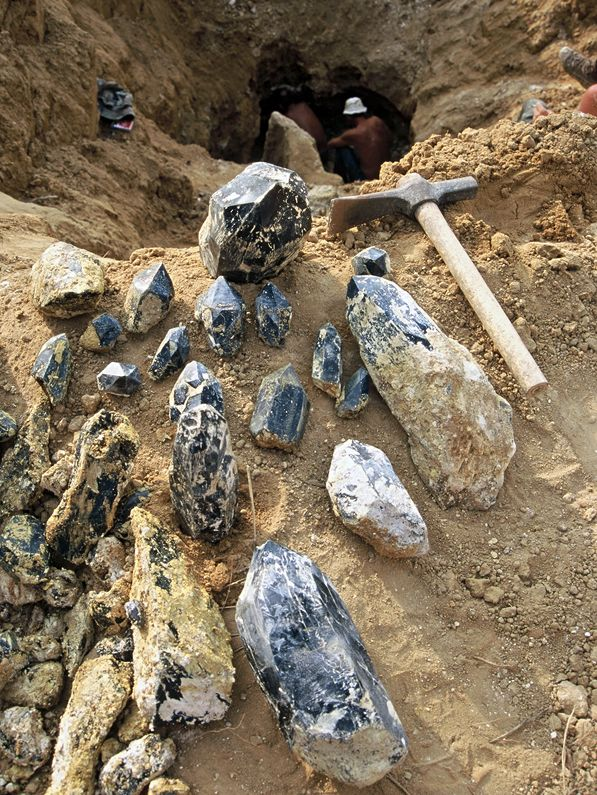
Beneath newly withdrawn materials lies an extractive industry with an impactful footprint. Mining for precious gems and metals demands the use of large amounts of water and energy, often leading to environmental damage that is challenging, if not impossible to counteract. The gold mining industry generates a vast quantity of waste annually, while gemstone mining has a history of unsafe labour concerns and hidden supply chains. Even fashion labels that claim to be “ethical” and “peacefully-sourced” can mislead consumers.
Second hand jewelry, in comparison, embodies a clear and straight-forward narrative on sustainability: it’s already here.
Choosing recycled and vintage pieces avoids the need for new extraction entirely, while extending the lifecycle of durable materials for decades; if not centuries. Jewelry is one of the few fashion categories designed for longevity, giving it a role in a truly circular consumption cycle. A gold necklace doesn't meet its expiration. Pearls don't go out of season. From a sustainable perspective, nothing surpasses reusing.
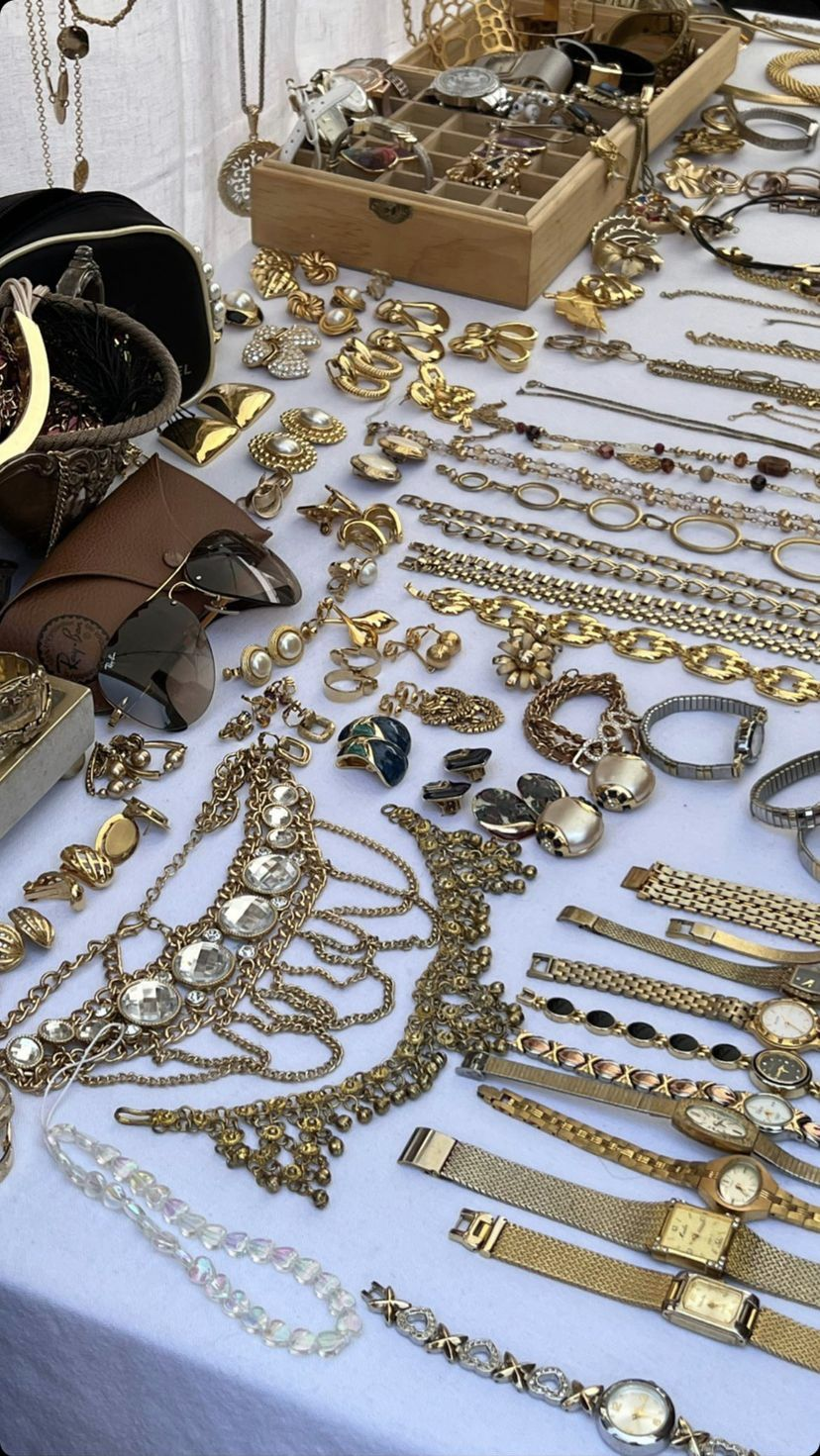
There’s no better time to dive into second-hand accessories than now. Online vintage and resale platforms such as Thred-up, Depop, and Poshmark, have transformed what was once niche into a mainstream retail experience. Consumers are able to browse aged chains, pre-owned designer rings, and cultural pieces with simplicity, often bundled with valid certification, documented origin, and pricing with full disclosure. The result of this second-hand revolution is jewelry shopping that feels more purposeful and less transactional.
Within this phenomenon, there is evidently an appeal of value. Second-hand and vintage jewelry allows consumers to access higher quality pieces and materials for a portion of the original cost. Rather than paying extra for branding or newly cultivated stones, shoppers can invest in pieces with history, and a lasting impact. In an era where mindful spending is essential, vintage jewelry stands out for offering financial and ethical benefits.
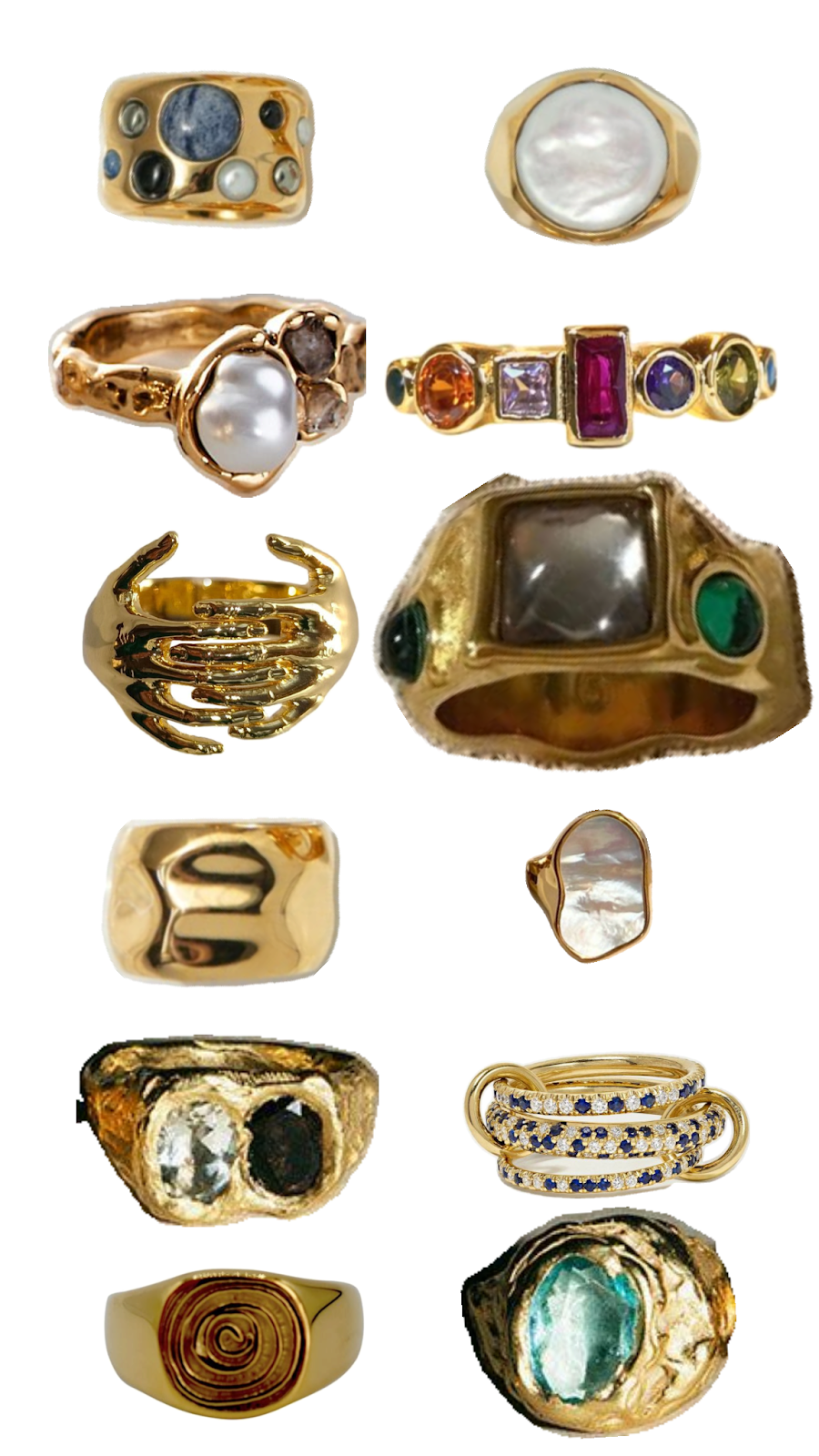
Nevertheless, the main obstacle in this sector is perception. Pre-owned pieces are often seen as nostalgic or outdated, rather than stylish. Though, the fashion industry is actively doing the work to reiterate that framework. Vintage silhouettes, chunky bangles, and mixed-metal rings are everywhere; designers and influencers have revived what was once considered “dated,” turning pieces into trending staples.

Above all, pre-owned jewelry brings something to light that new pieces rarely do: meaning and history. From a simple hand chain to a slightly-worn pair of studs from the 90s, vintage pieces demonstrate continuity, showing that personal and trending styles can come to life without needing a blank slate.
As conversations regarding sustainability deepen, consumers are questioning solutions that seem superficial or surface-level. While certification, legitimacy, and lab-grown alternatives have their merits, second-hand jewelry makes a real difference; no mining, no surplus emission, no false claims. Just pure and simple reuse.
With fashion moving rapidly towards mindful consumption, pre-owned jewelry demonstrates that you don’t have to compromise style for sustainability; the most fashionable and eco-friendly choices are always pre-existent.